


Clean a canister filter every 1-2 months to maintain beneficial bacteria essential for aquarium health. For heavily stocked tanks, clean every 3-4 weeks; lightly stocked tanks can wait up to 6 months. Watch for signs such as decreased water clarity or reduced output, indicating a need for cleaning. Always rinse biological media with aquarium water, and limit air exposure to under 10 minutes. Next, discover effective techniques and tools for peak maintenance.
Key Takeaways
- Clean canister filters every 1-2 months to maintain beneficial bacteria while ensuring good water quality.
- Heavily stocked tanks may require more frequent cleanings every 3-4 weeks to prevent harmful buildup.
- Lightly stocked tanks can extend cleaning intervals up to 6 months, based on organic matter accumulation.
- Always rinse biological media in aquarium water to avoid harming beneficial bacteria.
- Limit exposure of filter media to air during cleaning to no more than 10 minutes to protect bacterial colonies.
Importance of Beneficial Bacteria in Your Canister Filter
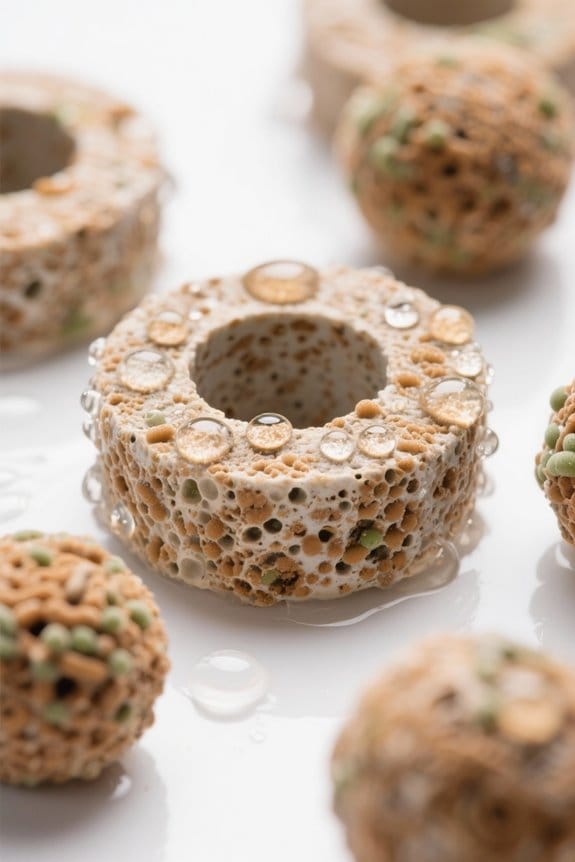
Beneficial bacteria play an important role in maintaining a healthy aquarium environment. These microorganisms thrive in established canister filters, facilitating biological filtration crucial for effective waste decomposition. By breaking down harmful toxins like ammonia, they greatly enhance water quality, ultimately supporting fish health. However, be cautious of over-cleaning; it can severely disrupt these bacterial colonies, leading to ammonia spikes that jeopardize aquatic life. A clean filter is important, but maintaining beneficial bacteria is crucial. Visible light brown sludge inside the filter often indicates active colonies ready to assist in waste breakdown. Therefore, practice minimal disturbance when cleaning, and consider rinsing filter media in tank water rather than tap water to preserve these important organisms and promote ongoing aquarium health. Non-pathogenic aerobic and anaerobic bacteria are essential in maintaining water quality and biological stability in aquariums.
Recommended Cleaning Frequency for Canister Filters

Maintaining a consistent cleaning schedule for canister filters is essential for ideal aquarium health. It is generally recommended to perform canister filter cleaning every 1-2 months. However, in heavily stocked tanks, cleaning may be necessary every 3-4 weeks to maintain maximum water flow. Conversely, lightly stocked tanks can often go up to 6 months without regular maintenance. Familiarize yourself with signs indicating the need for cleaning, such as reduced water flow, increased algae growth, or unusual sounds from the filter. When cleaning, make sure to minimize squeezing of sponges and media to protect beneficial bacteria. Additionally, adjustable flow rates on certain hang-on-back filters offer flexibility in managing water flow and tank conditions. Adjust the cleaning frequency based on the accumulation of organic matter and the visible condition of the filter media for best water clarity.
Signs Your Canister Filter Needs Cleaning

A well-maintained canister filter is essential for the health of any aquarium, and recognizing the signs that it needs cleaning can prevent significant issues. You should clean your filter if you notice decreased water clarity or a visibly dirty filter, indicating the buildup of waste and bacteria. Additionally, decreased filter output may signify clogging, while unusual noises from your filter can point to mechanical problems. It’s critical to monitor ammonia levels as rising values can indicate inefficient filtration, requiring immediate maintenance. If excessive algae growth surfaces, this could also reflect a dirty filter. Regularly observing these signs guarantees your aquarium remains a healthy environment for its inhabitants while optimizing filter performance. Many canister filters, such as Fluval FX2 and SunSun TechnToy HW-602B, employ multi-stage filtration systems to effectively remove impurities, enhancing water clarity and overall aquarium health.
Proper Cleaning Techniques to Preserve Beneficial Bacteria

Recognizing the signs that a canister filter requires cleaning is only the first step in maintaining aquarium health. To effectively preserve beneficial bacteria, clean canister filters every 2 to 4 months. Rinse the biological filter media using aquarium water or dechlorinated water, as tap water may harm these essential bacteria. Limit the exposure of filter media to the air; keep it out of water for no longer than 10 minutes. Employ gentle cleaning techniques, such as swishing and minimal squeezing of sponges in dedicated aquarium water containers, to remove muck while sustaining bacterial colonies. Additionally, check and clean prefilter sponges weekly; they are less critical for beneficial bacteria, allowing efficient filtration without jeopardizing the main filter media. Regular monitoring of aquarium temperature is crucial, as maintaining a stable environment supports the health of beneficial bacteria and aquatic life.
Tools and Supplies for Effective Canister Filter Maintenance

Effective canister filter maintenance relies on having the right tools and supplies at hand. A soft-bristled brush or toothbrush is necessary for cleaning media and impellers, helping to dislodge debris without damaging components. Use aquarium-safe cleaning solutions to prevent chemical contamination that can harm beneficial bacteria. Designate a bucket for holding aquarium water during cleaning; this practice preserves beneficial bacteria and guarantees a safe work environment. Keep spare O-rings and gaskets available for replacing worn parts, assuring a proper seal to prevent leaks. Non-abrasive sponges are essential to clean efficiently while safeguarding beneficial bacteria. Finally, apply silicone lubricant to O-rings and gaskets to maintain their pliability, critical for peak filter performance during routine maintenance. It’s important to choose quality media that contributes to better tank health and reduces the need for frequent maintenance.
Common Mistakes to Avoid During Canister Filter Cleaning
When cleaning a canister filter, avoiding common mistakes is essential for maintaining a healthy aquarium environment. First, never use tap water to rinse filter media; this can harm beneficial bacteria important for your planted aquarium’s water quality. Additionally, do not over-clean filter components—instead, maintain a balance to prevent fish stress and ammonia spikes. Keep biological media moist during cleaning, as dryness can kill these critical bacteria. Regularly clean pre-filter sponges weekly to optimize water flow and prevent clogging. Finally, avoid abrasive materials, which can damage O-rings and gaskets, leading to costly leaks and decreased filter efficiency. By following these tips, you can effectively maintain your aquarium filter and support a thriving aquatic habitat. For larger aquariums, multi-stage filtration systems like those found in the Fluval FX4 are particularly beneficial, as they improve water clarity and reduce contaminants effectively.
Frequently Asked Questions
How to Clean an Aquarium Canister Filter Without Killing Bacteria?
To clean an aquarium canister filter without killing bacteria, follow filter maintenance tips. Use proper rinsing techniques with dechlorinated water, avoid over cleaning, and establish an ideal cleaning schedule to maintain aquarium health balance and prevent blockage issues.
How Often Should You Clean Your Canister Filter?
When it comes to canister filter maintenance, cleaning every 1-2 months is key. Regular maintenance, tailored to tank size and filter media types, guarantees peak filtration efficiency, prevents algae growth, and protects beneficial bacteria crucial for water quality.
How Often Do I Need to Clean My Fish Tank if It Has a Filter?
Regular fish tank maintenance typically involves cleaning every month, improving water quality testing, considering algae control methods, evaluating filter media types, and adapting substrate cleaning techniques, while ensuring fish species compatibility and proper tank layout design for ideal health.
What Are the Disadvantages of a Canister Filter?
A canister filter resembles a complex puzzle; its disadvantages include high equipment costs, installation complexity, frequent filter maintenance, potential clogging issues, noise levels, and varying size options impacting filter efficiency and overall water quality.


