


Temperature swings stress fish and shrimp considerably, causing health issues and behavioral changes. Sudden shifts exceeding 5°F can be deadly for juvenile fish and stressful for adults, leading to digestive problems. For shrimp, temperatures above 35°C heighten mortality risk. Implement gradual acclimation, maintaining changes within 1-3°F. Monitor fish and shrimp behaviors closely during temperature shifts for signs of distress. Addressing these issues enhances aquatic health and survival, revealing more effective management strategies along the way.
Key Takeaways
- Sudden temperature shifts exceeding 5°F are lethal for juvenile fish and can cause stress in adults, leading to digestive issues.
- Crustaceans like shrimp experience high mortality rates when exposed to continuous temperatures above 35°C, affecting their health and survival.
- Cold stress in shrimp disrupts metabolism and immune responses, resulting in decreased hemocyte counts and reduced antibacterial activity.
- Temperature fluctuations trigger behavioral changes in fish and shrimp, including erratic swimming and decreased feeding, impacting population dynamics.
- Gradual acclimation (1-3°F) during water changes is essential to minimize stress and enhance immune responses in aquatic animals.
Understanding Temperature Stress in Aquatic Animals
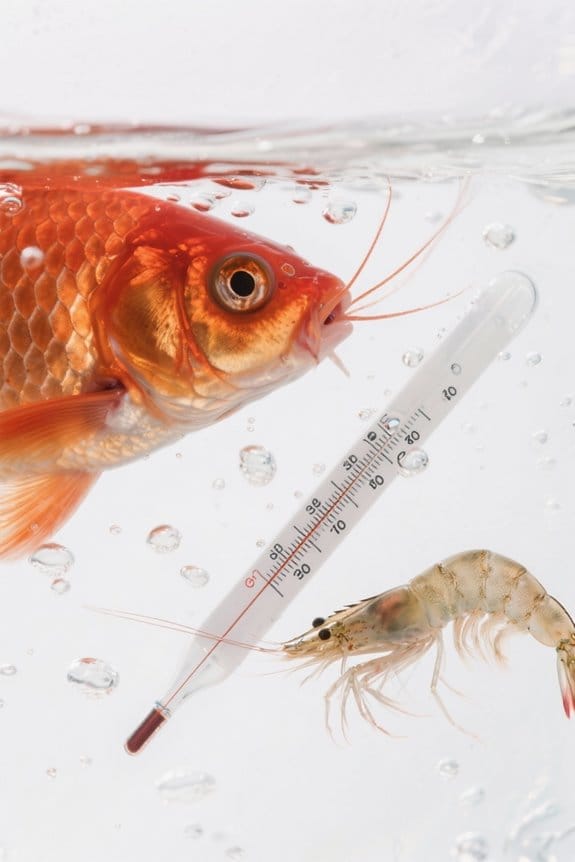
Understanding temperature stress in aquatic animals is essential for maintaining their health and well-being, particularly in controlled environments like aquaculture systems. Sudden temperature shifts, especially those exceeding 5°F, can be lethal for juvenile fish while causing stress in adults. These fluctuations may trigger digestive issues or lead to ammonia buildup in the bloodstream. Crustaceans, including shrimp, are also susceptible to temperature stress, struggling with heat or cold extremes that compromise their health and survival. To minimize stress, guarantee gradual temperature changes in the range of 1-3°F, allowing fish to acclimate effectively. Remember, stable environments bolster immune responses, while extreme temperatures impair cellular functions, increasing disease susceptibility. Prioritize ideal conditions to enhance aquatic animal well-being. Additionally, using submersible aquarium heaters with intelligent sensors can help maintain stable temperatures and prevent sudden fluctuations in aquaculture systems.
Physiological Effects of Temperature Fluctuations
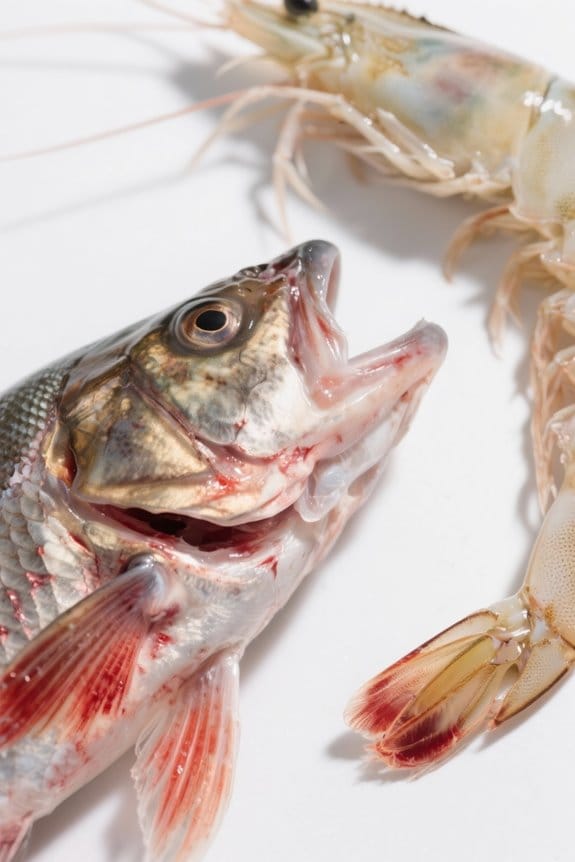
Temperature fluctuations can greatly impact the physiological functions of fish and shrimp, which may lead to serious health consequences. Sudden changes exceeding 5°F can be lethal for juvenile fish, while adults may suffer significant digestive issues if temperatures fluctuate between 9-15°F. For shrimp, continuous exposure to water temperatures above 35°C can result in high mortality rates, severely impacting their growth and survival. Cold stress disrupts metabolic functions in crustaceans, leading to altered energy expenditure and resource allocation, consequently causing immunological disorders. Immune responses decline in low temperatures, evidenced by reduced total hemocyte counts and suppressed antibacterial activity. Additionally, increased heart rates indicate the critical importance of temperature tolerance for the growth and development of these aquatic organisms. It is vital to maintain stable water parameters, such as temperature, to support the health and well-being of aquatic life.
Impact of Rapid Temperature Changes on Fish

Rapid changes in water temperature can greatly stress fish, leading to a range of physiological and behavioral issues. Juvenile fish often face lethal consequences with sudden temperature shifts of only 5°F, while adults may experience digestive enzyme activity disruptions when temperatures change by 9-15°F. Fish adapt better to gradual fluctuations, which minimize stress responses and improve overall health. Abrupt temperature swings can lead to ammonia buildup in the bloodstream, further compounding stress. Consequently, maintain stable conditions, ensuring temperatures change gradually. Regular water tests can help monitor changes, while proper acclimatization techniques are essential during water replacements. Implementing careful temperature control measures can considerably reduce health crises and promote the well-being of fish in aquaculture environments. Heaters with adjustable temperature ranges typically maintain optimal conditions, offering a helpful tool for stabilizing aquarium environments.
Shrimp Responses to Elevated Water Temperatures
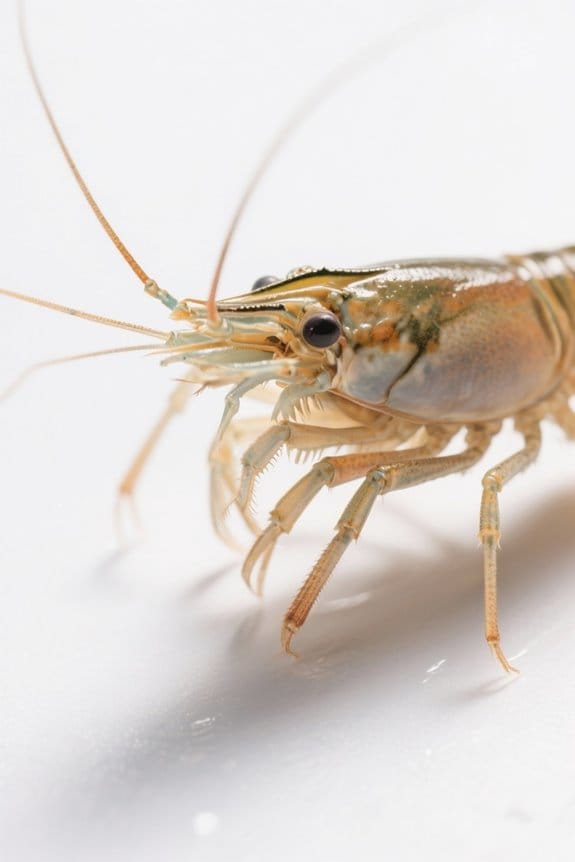
As water temperatures rise above 35°C, Pacific white shrimp (Litopenaeus vannamei) can experience severe stress, leading to increased mortality rates. Elevated temperatures push metabolic rates higher, potentially accelerating growth and molting cycles in juvenile shrimp, provided conditions are appropriately managed. However, heat stress causes energy reallocation, prioritizing essential functions in gills and the hepatopancreas, which reduces muscle tissue energy. This compromise deteriorates the immune response, decreasing disease resistance and impairing immune cell functionality. Consequently, effective heat management strategies are important; maintain ideal oxygen levels in the water and employ smart feeding practices. By doing so, one can mitigate the adverse effects of temperature on shrimp health, emphasizing that maintaining temperature is one significant aspect of shrimp aquaculture success. Additionally, using waterproof labels for equipment and monitoring tools ensures durable and reliable tracking in challenging aquaculture environments.
Species-Specific Sensitivities to Temperature Variations
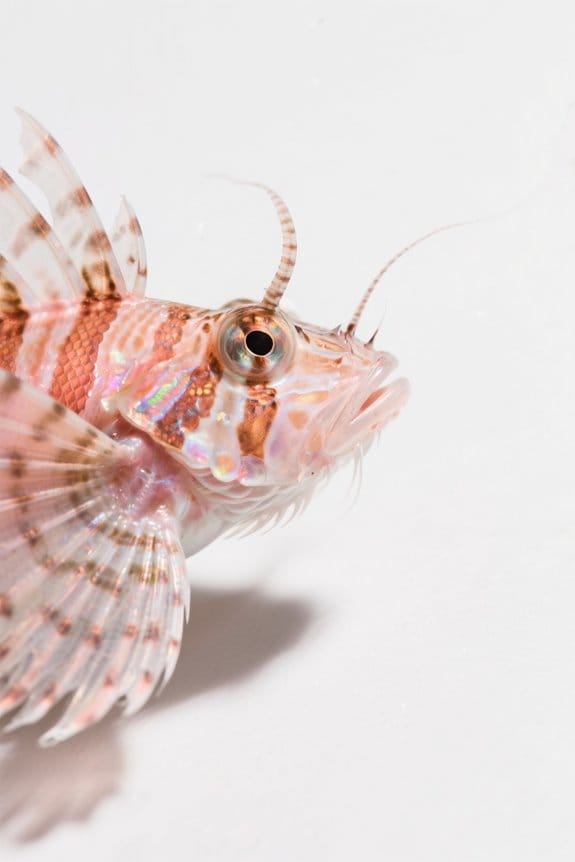
Understanding the diverse sensitivities of fish and shrimp to temperature variations is vital for successful aquaculture management. Different species exhibit varying thresholds for temperature fluctuations, hence identifying species-specific sensitivities is important. Juvenile fish are often more vulnerable; a temperature shift of just 5°F can be lethal. Conversely, adult fish may experience digestive issues with shifts ranging from 9°F to 15°F. Additionally, certain shrimp species show reduced immune responses and heightened stress in lower temperatures. Recognize that fish accustomed to stable environments, such as bettas, are particularly sensitive to sudden changes, while others may adapt gradually. Overall, understanding these specific tolerances guarantees effective growth, reproduction, and survival rates, ultimately supporting the health of aquaculture systems. Anubias plants are ideal for beginners due to their low maintenance requirements, making them a suitable choice for enhancing aquascapes in stable environments.
Behavioral Changes Induced by Temperature Stress
How do temperature fluctuations influence the behavior of fish and shrimp? Sudden changes in temperature can lead to significant behavioral changes. For instance, fish may exhibit increased swimming activity and erratic behavior, indicating stress, which often results in decreased feeding and compromised immune function. Conversely, shrimp exposed to low temperatures usually show reduced locomotion and feeding behavior, detrimental to their growth and survival. Elevated temperatures can ignite heightened aggression among fish species, disrupting social dynamics. Meanwhile, crustaceans may adapt by reducing activity levels, hiding, or seeking warmer areas to mitigate cold stress. Additionally, acute temperature changes can adversely affect reproductive behaviors in both fish and shrimp, jeopardizing population sustainability in aquaculture settings. Choosing non-toxic artificial coral ornaments can enhance aquarium aesthetics without harming aquatic life, promoting a stable environment that is less susceptible to stressors like temperature fluctuations.
Strategies for Managing Temperature in Aquaculture
Effective management of temperature in aquaculture is essential for ensuring the health and productivity of fish and shrimp. Maintain a stable environment, keeping temperature fluctuations within 1-3°F during water changes, to minimize stress. Implement smart feeding strategies and manage oxygen levels, especially during hot weather to prevent disease outbreaks. Utilize slow water addition techniques to equalize temperatures over an hour, thereby reducing the risk of thermal shock. Additionally, continuously monitor the behavior of fish or shrimp before and after temperature adjustments. This early detection allows for timely intervention, ensuring peak health and preventing stress-related ailments. By adopting these strategies, aquaculture operators can enhance the overall resilience of their aquatic populations. It’s important to select filters with low noise levels to not disturb the aquatic environment while maintaining proper circulation and filtration.
Importance of Gradual Temperature Acclimation
Gradual temperature acclimation plays an essential role in maintaining the health of fish and shrimp in aquaculture settings. Sudden temperature shifts can trigger stress responses, especially in juvenile fish, which are susceptible to lethal changes of just 5°F. To mitigate these risks, keep temperature variations within a narrow range of 1-3°F during water changes. Implement a slow water addition approach; adding new water gradually over about an hour helps minimize stress. While fish and shrimp can adjust to mild fluctuations over time, rapid changes can lead to serious health issues, such as digestive problems or immune suppression. By adhering to gradual temperature acclimation practices, aquaculture operators can enhance survival rates and guarantee a stable, nurturing aquatic environment. Ensuring safety features like automatic pressure relief valves in CO2 reactors can help prevent accidents, maintaining a stable environment for aquaculture.
Community Practices for Temperature Management
What methods do aquarists employ to guarantee ideal temperature management for their aquatic pets? Previous studies indicate the importance of maintaining water temperatures within a 1-3°F range during changes to reduce stress on fish and shrimp. To facilitate this, gradually acclimate new water by adding it slowly over about an hour. This technique helps pets adapt comfortably. Utilize flowing water during changes, which can equalize temperatures quickly. Engage fish during this process to minimize stress. Monitor their behavior closely, observing any signs of distress post-change. While some species tolerate larger fluctuations, adopt cautious practices for sensitive varieties by avoiding significant temperature differences. Consistent observation will guide successful adjustments in temperature management practices, ensuring a healthier aquatic environment. Consider using an Inkbird Aquarium Heater with dual heating outlets to maintain precise control over water temperature, especially in larger tanks.
Research Insights on Temperature Effects in Aquaculture
As aquaculture continues to expand, understanding how temperature influences aquatic species becomes essential for maximizing productivity and health. Research shows that water temperatures considerably affect the growth, metabolism, and survival of fish and shrimp. For example, continuous exposure to water temperatures exceeding 35°C can increase mortality rates in shrimp, as heat stress strains their energy management. Furthermore, cold water conditions disrupt osmoregulation and immune responses, making shrimp more susceptible to diseases. Increased oxidative stress at low temperatures necessitates higher antioxidative enzyme activity to combat free radicals. Additionally, understanding behavioral responses, such as heart rate changes, helps identify thermal tolerance ranges. As a result, monitoring and managing water temperatures is critical for successful aquaculture practices.
Future Directions for Temperature Management in Fish and Shrimp Care
Effective temperature management remains a pivotal focus for enhancing the care of fish and shrimp. To minimize stress, maintain water changes within a 1-3°F range during acclimation. Avoid sudden fluctuations, as shifts of even 5°F can be lethal for juvenile fish or harm adult fish’s digestive health. Understand the temperature tolerance levels for individual species, as different responses can markedly impact aquaculture productivity. Implement advanced breeding techniques aimed at improving thermal tolerance, fostering resilience in fish and shrimp. Additionally, continuously monitor behavior during temperature shifts, identifying stress indicators that signal when adjustments are needed. By prioritizing thorough temperature management practices, aquarists can guarantee healthier aquatic ecosystems and maximize the well-being of their stock.
Frequently Asked Questions
How Does Temperature Affect Shrimp?
Temperature affects shrimp by altering their behavior, impacting their metabolism, immune response, and growth. Shrimp exhibit behavioral adaptations, such as changes in heart rate and molting patterns, to cope with environmental temperature fluctuations.
How Does Temperature Change Affect Fish?
Rapid temperature changes can compromise thermal tolerance, with juvenile fish facing lethal risks after just 5°F shifts. Adult fish may experience serious digestive issues, highlighting the importance of stable environments for their health and survival.
What Temperature Difference Will Shock a Fish?
A temperature difference exceeding 1-3°F can shock a fish, as individual species have varying temperature tolerances. Sudden shifts, particularly those above 5°F, may lead to severe stress or health issues in aquatic life.
How to Tell if Fish Are Stressed in an Aquarium?
Fish stress indicators include erratic swimming, color changes, increased hiding behavior, loss of appetite, and abnormal gill movement. Observing these signs can help determine if fish are experiencing stress in an aquarium environment.


