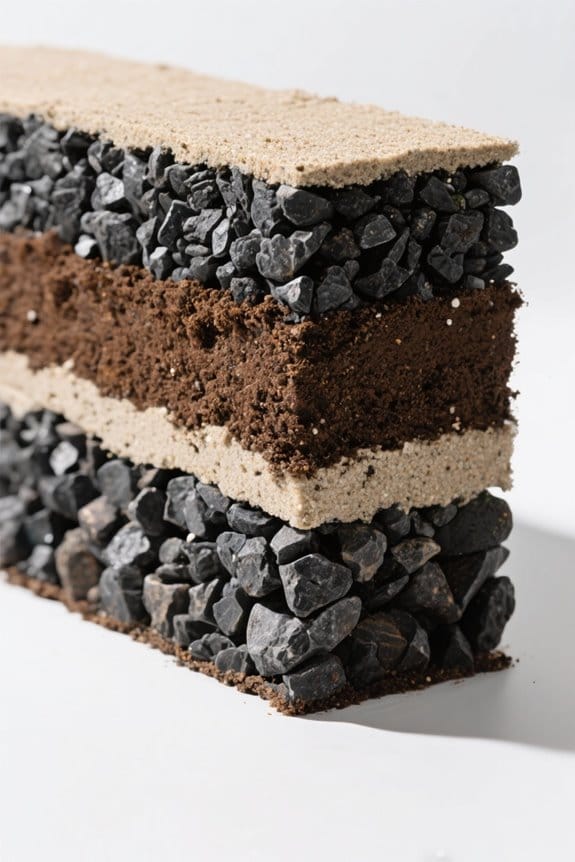
To keep sand substrate clean without disrupting the aquascape, use a siphon tube designed for precise cleaning. Employ the “Hoover Above the Sand” method while gently swirling the siphon just above the surface, capturing debris without disturbing the sand. Opt for heavier grains and mix dark and light sands for contrast. Maintain a substrate depth of about 3 inches to prevent toxic buildup. Regularly introduce bottom-dwelling fish to enhance aeration, promoting a healthier environment while minimizing waste issues. More effective techniques await those interested.
Key Takeaways
- Use the “Hoover Above the Sand” technique to siphon waste without disturbing the substrate significantly.
- Implement a grid-like cleaning method for even coverage while minimizing disruption to the aquascape.
- Swirl the siphon tube just above the sand surface to capture floating debris without disturbing heavier particles.
- Utilize a narrower siphon hose to target tight spaces and reduce substrate displacement during cleaning.
- Regularly incorporate bottom-dwellers to help aerate the sand and promote beneficial bacteria growth, aiding in overall cleanliness.
Understanding Sand Substrate Challenges
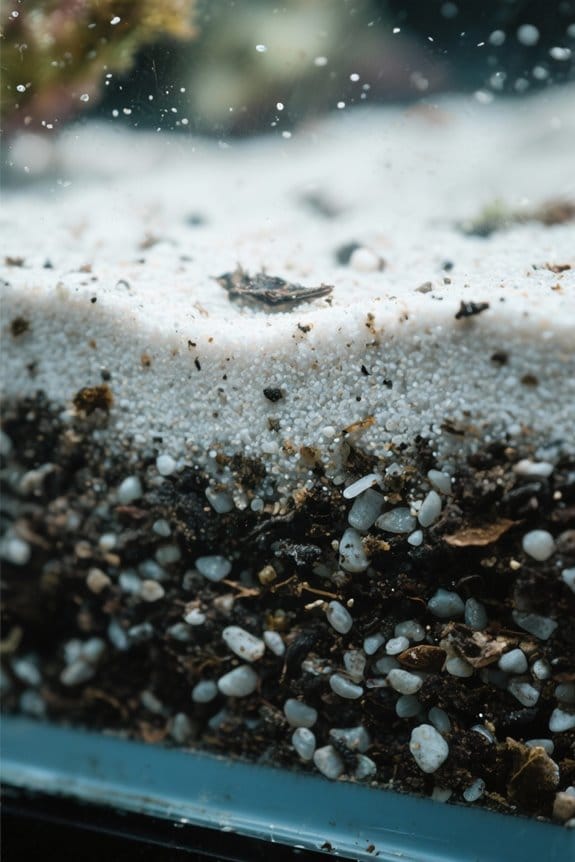
Maintaining a clean sand substrate requires awareness of its specific challenges. Sand can accumulate detritus and fish waste, leading to unsightly discoloration. To address this, prioritize regular maintenance; siphoning should be done cautiously to avoid excessive substrate loss. Using a controlled siphon, focus on the surface to remove debris without disturbing too much sand. A shallow sand bed of about 3 inches helps reduce the risk of hydrogen sulfide gas buildup from anaerobic bacteria, thereby enhancing overall tank health. In addition, observe tight spaces where waste settles; a dedicated cleaning routine will keep your sand clean and aesthetically pleasing. Remember, consistency is essential in your approach to prevent color changes and maintain your aquarium’s visual appeal. Regular use of nitrate removers can also support long-term nitrification, maintaining optimal water quality in your aquarium.
Choosing the Right Type of Sand

Choosing the right type of sand can greatly influence both the aesthetic appeal and the health of an aquarium. Opt for heavier grains, as they minimize the risk of being siphoned during cleaning, stabilizing your substrate better than very fine sand. Black sand is particularly favored for its beauty and its ability to conceal detritus, aiding in the maintenance of a clean aquarium appearance. Additionally, consider mixing black sand with lighter materials, which can help mask debris while promoting beneficial bacteria growth essential for a balanced ecosystem. Always use prefilter sponges on filter intakes, preventing sand from entering the filter, thereby safeguarding the equipment and ensuring a consistent substrate while keeping your aquarium thriving and visually appealing. Incorporating Fluval Plant and Shrimp Stratum as part of your substrate mix can enhance nutrient availability, supporting vigorous plant growth and aiding in the rapid colonization of beneficial nitrifying organisms.
Techniques for Effective Vacuuming

Effective vacuuming techniques play a pivotal role in maintaining the cleanliness and health of an aquarium, especially when using sand substrates. To effectively vacuum the sand like gravel, insert the siphon tube into the substrate, allowing heavier particles to remain while lighter waste is removed. Utilize the “Hoover Above the Sand” method by gently swirling the siphon tube above the sand bed, which collects floating debris without excessive disturbance. For small creatures, implement the “Crimp the Siphon Hose” approach by clamping the hose to prevent suction loss during cleaning. Finally, employ a grid-like systematic cleaning method to guarantee thorough coverage while minimizing disruption to the tank’s aesthetic and ecosystem, adapting techniques to the specific sand type and aquarium inhabitants. Consider using ergonomic features in your cleaning tools to enhance comfort and efficiency during the vacuuming process.
Using Siphon Tools Wisely

To optimize cleaning with siphon tools, it is crucial to select the right hose size and technique. Use a narrower hose, ideally around ½ inch in diameter, to reduce sand disturbance while still effectively extracting waste. During water changes, gently swirl the siphon tube above the substrate to lift detritus without vacuuming sand. This method helps capture heavier waste with minimal disruption. For delicate tank inhabitants, employ the crimping technique on the hose, allowing for better control and preventing unwanted suction loss. Additionally, consider using prefilter sponges on your filter intakes, safeguarding against sand suction and preserving your aquascape’s integrity. Finally, adopt a grid-like cleaning approach to guarantee thoroughness without excessive sand removal. Gravel vacuums with multi-stage filtration systems can also be beneficial in keeping the water clean while maintaining the substrate’s integrity.
Strategies for Avoiding Sand Loss

Maintaining a pristine sand substrate can benefit greatly from strategic approaches to minimize sand loss. First, opt for heavier, larger-grained sands, as they are less likely to be suctioned up during routine cleaning and vacuuming. Next, use prefilter sponges on filter intakes to prevent sand from entering, protecting the filter’s motor from damage. When employing a siphon, practice the hoovering method by gently swirling the tube above the layer of sand, allowing for detritus collection without significant disturbance. Additionally, crimp the siphon hose to control suction, facilitating careful maneuvering around fragile areas. Finally, periodically top off the sand layer after cleaning to maintain uniformity and compensate for any sand lost during maintenance. Consider using high-quality crushed coral as a substrate alternative, as it enhances water quality and stabilizes pH, contributing to a healthier aquatic environment.
Maintaining Aesthetics While Cleaning
While cleaning a sand substrate, it is vital to preserve the tank’s visual appeal alongside its cleanliness. To achieve this, gently swirl the siphon tube just above the surface; this will capture floating detritus without disturbing the sand bed. Utilize a grid-like cleaning pattern to guarantee thorough cleaning, avoiding unsightly disturbances to the aquascape. Employ a narrower siphon hose, as this minimizes substrate disruption, allowing you to focus on tight spaces while maintaining the tank’s aesthetics. Installing prefilter sponges on filter intakes prevents sand from entering equipment and keeps the substrate visually appealing. Finally, control the depth of your siphoning; regular cleaning while limiting sand removal preserves both substrate depth and the overall beauty of the setup. To maintain a healthy aquatic environment, it is important to regularly remove uneaten food, fish waste, and debris, which can be efficiently done using a gravel vacuum.
The Importance of Regular Upkeep
Regular upkeep of a sand substrate is crucial for both the health of the aquarium and the aesthetic appeal of the setup. Cleaning prevents the dark gray discoloration from waste accumulation, maintaining visual attractiveness. Siphoning the sand regularly minimizes harmful gas buildup, such as hydrogen sulfide, which can develop in deeper layers if left undisturbed. Implement a systematic cleaning approach, like a grid pattern, to efficiently remove detritus without excessive disturbance to the sand. This regular upkeep not only preserves the aquarium’s beauty but also fosters a healthy environment for beneficial bacteria, vital for ecological balance. Aim for regular interventions every two weeks, adjusting frequency based on bioload and tank conditions to guarantee ideal substrate health. It is also important to maintain optimal water conditions by using comprehensive test kits, which ensure the thriving aquatic ecosystem and prevent fish loss.
Managing Waste With Aquarium Inhabitants
Enhancing the cleanliness of a sand substrate often involves strategically selecting aquarium inhabitants that assist in waste management. Introduce smaller fish like corydoras, which naturally sift through the sand, redistributing detritus and preventing buildup. Opt for schooling species, such as rainbowfish, to create activity that keeps debris suspended, making it easier to siphon during routine cleaning. Incorporate bottom-dwellers that forage within the substrate, promoting aeration and beneficial bacteria growth; this helps mitigate toxic gas risks. Maintain a balanced fish population to control excessive waste output, especially in tanks with lighter sand that highlights debris. Finally, observe your filtration’s flow patterns, as this can guide appropriate stocking choices to further enhance waste management efficiency in your aquarium setup. For additional benefits, consider using Premium Indian Almond Leaves to naturally improve water quality and support the immune systems of your fish.
Addressing Toxicity Risks in Substrates
Addressing toxicity risks in substrates is essential for maintaining a healthy aquarium environment. To mitigate the danger of hydrogen sulfide formation, guarantee a sand substrate depth of around 3 inches. Shallow layers limit anaerobic conditions, which produce this harmful gas. Implement a regular cleaning routine; gently disturb the substrate during maintenance to promote oxygen flow and prevent toxic buildup. Consider using root tabs, as they not only enrich nutrients but also disrupt potential gas formation. While observing hydrogen sulfide bubbles can be common, properly managing your substrate can minimize risks. Regular maintenance of aquarium filters is crucial for reducing operational noise and ensuring better water conditions. By consistently maintaining aesthetic appeal and health, aquarists protect fish from toxic threats, guaranteeing a thriving aquatic ecosystem. Prioritize these practices for a successful aquarium.
Alternatives to Sand Substrate
For many aquarists, choosing an appropriate substrate can considerably impact the overall maintenance of an aquarium. Alternatives to sand substrate include gravel and bare-bottom tanks. Gravel is often preferred for its easier maintenance, allowing for straightforward siphoning without losing substrate. Consider small stones or decorative substrates that enhance your tank’s aesthetic while minimizing cleaning hassles. Bare-bottom tanks have gained popularity due to the total elimination of substrate cleaning. They facilitate efficient debris management and allow for quick removal of waste. While sand definitely benefits species like catfish, the complications of upkeep can outweigh its advantages. Consequently, aquarists might find greater flexibility and time savings when opting for gravel or alternative substrates. Moreover, using full spectrum LED lights can significantly enhance plant growth and health in your aquarium, providing a comprehensive range of wavelengths essential for photosynthesis.
Enhancing Substrate Appearance
A pristine aquarium relies heavily on the visual appeal of its substrate, which can influence the perception of cleanliness and overall aesthetic harmony. Consider mixing darker, coarser sand with lighter options like white sand; doing so reduces the visibility of dirt and waste. A black or dark gray sand can effectively conceal detritus while offering a striking contrast to colorful fish and plants. Additionally, using large-grained sand helps maintain the aesthetic appeal and minimizes the likelihood of sand siphoning during maintenance. Topping off the sand layer regularly keeps its appearance intact, counteracting displacement during cleaning. Finally, establishing a slight substrate slope with dark grains enhances visual appeal while further minimizing waste visibility, creating an inviting aquascape.
Engaging With the Aquarist Community
Building on the visual strategies for maintaining clean substrates, engaging with the aquarist community can greatly enhance aquarium care practices. Online forums provide valuable tips and shared experiences, particularly regarding effective siphoning techniques that minimize substrate disturbance. Aquarists are encouraged to try to vacuum using a finer siphon, which allows for thorough cleaning without significant sand displacement. Participation in discussions offers insights into diverse maintenance routines and substrate choices, empowering newcomers to adapt techniques suited to their setups. Additionally, exchanging information about fish species interactions can inform tank management decisions. Ultimately, collaboration within the aquarist community fosters problem-solving, as hobbyists can address similar challenges, creating a supportive environment for all.
Frequently Asked Questions
How to Maintain Sand Substrate?
Maintaining a sand substrate involves systematic sand bed maintenance to avoid disturbing beneficial bacteria. Regular siphoning above the sand, using prefilter sponges, and keeping a shallow depth can effectively minimize detritus while preserving the ecosystem.
How to Sanitize Sandbox Sand?
Sanitizing sandbox sand is essential for a pristine environment. Effective sanitation techniques include thorough rinsing, using a bleach solution, and ensuring complete dryness. Different sand types may require tailored approaches to achieve peak cleanliness and health standards.
What Is the Best Clean up Crew for Sand?
The best clean-up crew for sand includes snail species like Nerite and Mystery snails, along with compatible fish such as corydoras and sand-sifting gobies, ensuring effective waste management while maintaining a harmonious aquatic environment.
How to Get Rid of Substrate Dust?
To prevent dust in a sand substrate, using larger grain sand helps minimize dust generation, while pre-soaking new sand and maintaining slow siphoning techniques effectively reduces particle disturbance and preserves the substrate’s benefits.