To prepare new aquarium driftwood, first rinse and scrub it thoroughly to remove dirt. Next, boil the driftwood for about 45 minutes to sterilize it and reduce tannin release. Then, soak it in fresh water for several weeks, changing the water regularly until it remains clear for days. Monitor the water chemistry throughout this process, noting any color changes. Proper preparation guarantees a safe environment for fish and helps maintain a balanced ecosystem, paving the way for further exploration of benefits.
Key Takeaways
- Rinse and scrub the driftwood thoroughly to remove dirt, debris, and contaminants before adding it to your aquarium.
- Boil the driftwood for approximately 45 minutes to sterilize it and reduce tannin release.
- Soak the driftwood in fresh water for several weeks, changing the water regularly until it remains clear.
- Monitor the soaking water’s clarity; consistent clarity indicates successful tannin removal and driftwood preparation.
- Inspect the driftwood for signs of mold or decay, as these can introduce harmful pathogens to your tank.
Understanding Driftwood and Its Role in Aquariums
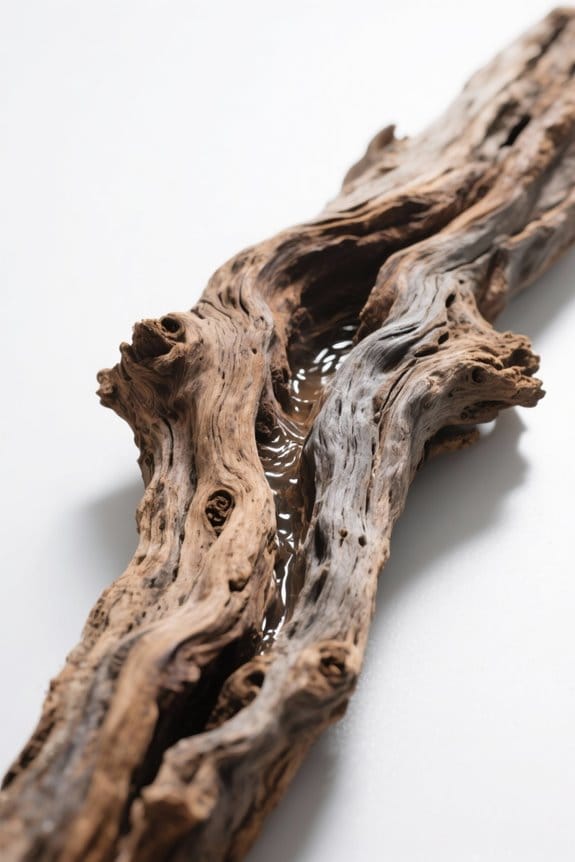
Understanding the nuances of driftwood is essential for any aquarium enthusiast aiming to create a thriving underwater environment. Driftwood serves as both a visual focal point and a practical element, offering fish safe hiding spots that enhance their sense of security. Additionally, the wood hosts beneficial bacteria, creating microhabitats for algae-eating organisms. These dynamics promote a balanced ecosystem. When added to aquascaping, driftwood greatly enriches the visual appeal of the tank, making it more inviting. Interestingly, new driftwood can leach tannins, which naturally lower pH levels—benefiting species like Discus and Angelfish that thrive in acidic conditions. Be sure to prepare driftwood through soaking or boiling, ensuring it is free from harmful microorganisms before introducing it to the aquarium. For best results, boil driftwood to remove tannins that can cloud water; the process may take up to two weeks.
Selecting the Right Type of Driftwood
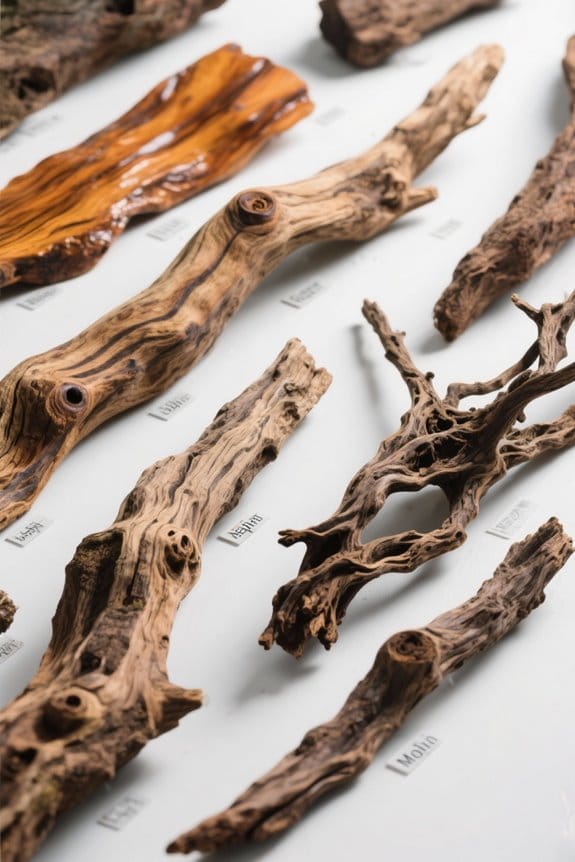
Selecting the right type of driftwood is a pivotal step in crafting a successful aquarium environment. Different types of driftwood serve unique purposes, so evaluate your tank’s needs. For example, Mopani Wood provides density and a striking two-toned appearance, while Malaysian Driftwood’s rugged texture and slower tannin release suit various setups. For shrimp tanks, choose Cholla Wood due to its hollow structure promoting biofilm growth and minimal tannin release. Spider Wood, with its intricate twists, offers excellent anchoring for live plants in smaller tanks. Alternatively, Bog Wood can create a blackwater environment, replicating South American habitats, but it may need soaking. Always consider sourcing a quality piece of driftwood from reputable suppliers or through ethical means, ensuring safety for aquatic life. Regular testing is vital to prevent toxic buildup and ensure a healthy aquatic environment for fish.
Assessing the Safety of Driftwood
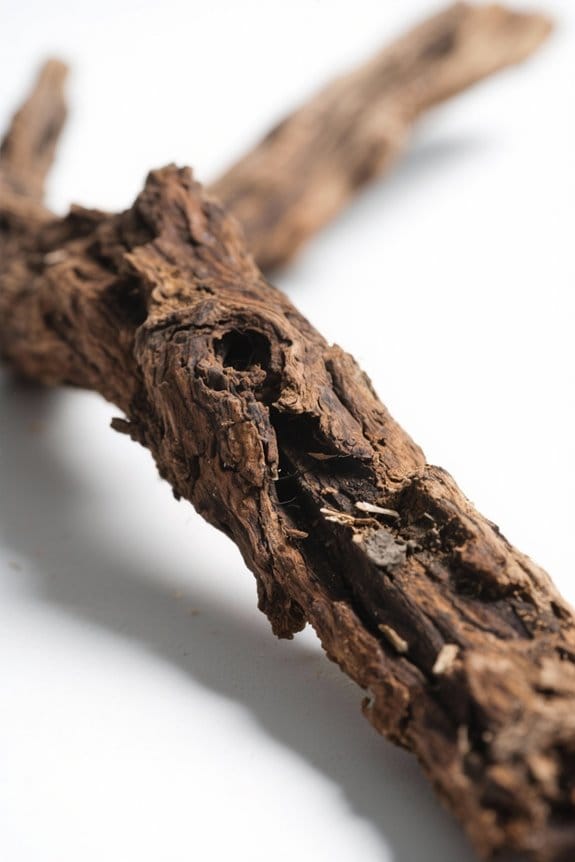
How can an aquarist guarantee that the chosen driftwood is safe for their aquatic environment? First, prioritize sourcing driftwood from reputable aquatic stores to minimize contamination risks. Avoid collecting driftwood from polluted areas, as it may contain harmful substances that jeopardize the health of tank inhabitants. If found, vigorously rinse and scrub the driftwood to remove dirt and debris. Following this, soak or boil the driftwood to sterilize it; boiling can eliminate harmful microorganisms. Always check for any signs of mold or decay on the driftwood, as these can introduce pathogens harmful to fish and other aquatic life. By taking these precautions, aquarists can confidently prepare driftwood for their tanks, ensuring a safe and thriving environment. To further enhance the visual appeal of saltwater tanks, consider incorporating anemone-compatible decor that mimics their natural habitat.
The Impact of Driftwood on Water Chemistry
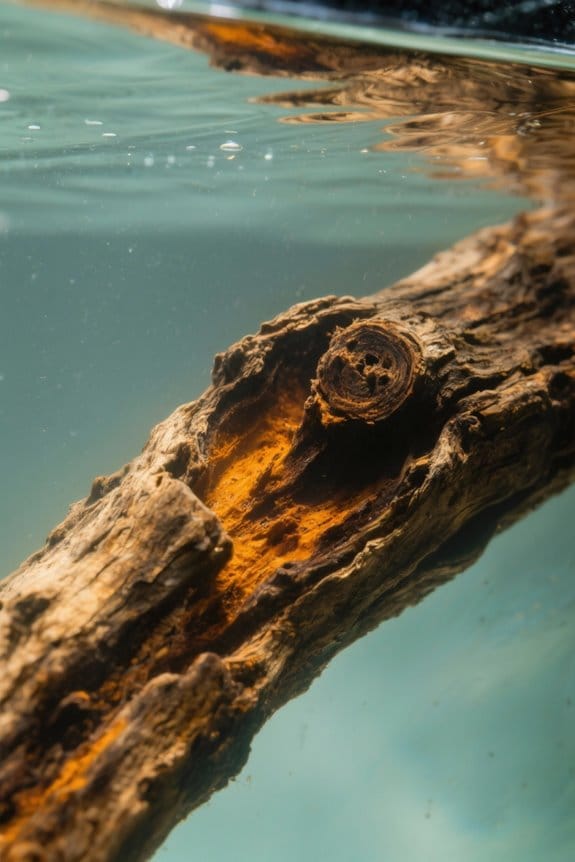
Driftwood serves not only as a decorative element in aquariums but also considerably influences the water chemistry within the tank. As driftwood releases tannins, it can lower the pH, altering the overall acidity of aquarium water. This environment is especially beneficial for fish species like Discus and Angelfish, which thrive in lower pH conditions. However, this release can cause water to take on a natural yellow or brown tint, mimicking blackwater habitats and pleasing specific setups. Regular monitoring of water chemistry is essential after introducing driftwood, as tannin levels can fluctuate. To effectively manage tannins, soak the driftwood before introduction or consider filtration solutions like Purigen to maintain ideal water clarity and quality in the aquarium. Additionally, soaking required for most driftwood helps prevent it from floating, ensuring it remains submerged and stable in the aquarium setup.
Cleaning Driftwood: Best Practices
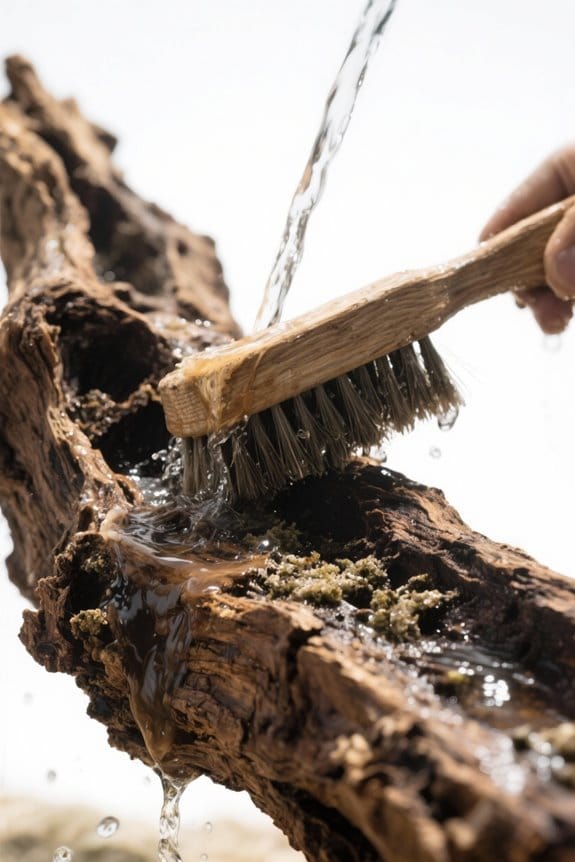
When preparing driftwood for an aquarium, it’s essential to validate cleanliness to prevent unwanted contaminants from affecting water quality. Start by rinsing the driftwood thoroughly with clean water to remove dirt and debris, which may introduce harmful substances into the tank. Next, an effective method is to boil the wood for approximately 45 minutes; this sterilizes it, killing microorganisms and reducing tannin release. To further enhance clarity, soak the wood in a large container of water for 1-2 weeks, regularly changing the soaking water. Monitor the process until the water remains clear for several days, indicating that tannins have leached out. Optionally, scrub the driftwood with a brush to verify no loose debris or unwanted growth remains. Consider using Mopani wood options like WDEFUN Natural Driftwood, which are durable and visually appealing, but remember that initial maintenance may delay immediate use in tanks.
Boiling Driftwood for Sterilization
Preparation can be further refined by boiling driftwood, a method that effectively sterilizes the material. Boil the driftwood for approximately 45 minutes to kill any microorganisms and parasites present on the wood’s surface. A turkey fryer is often recommended for this process, especially for larger pieces that won’t fit on a standard stove. This boiling process not only eliminates harmful life forms but also minimizes the release of tannins into the aquarium, mitigating potential water discoloration. While boiling is highly effective, if microorganisms are not a concern, soaking alone may suffice. During boiling, monitor the wood closely to prevent it from becoming too soft or damaged, ensuring an ideal outcome for your aquarium setup. Additionally, using non-toxic plastics in your paludarium setup ensures safety and longevity for aquatic life, complementing the preparation of driftwood for a healthy environment.
Curing Driftwood: Soaking and Tannin Management
Effective curing of driftwood is essential for aquarium enthusiasts aiming to create a healthy aquatic environment. Start by soaking the driftwood in fresh water for several weeks, which effectively draws out tannins that can discolor tank water. Change the soaking water regularly, as it will become dark from the tannins; replace it until it remains clear for several days. Alternatively, consider boiling the driftwood for about 45 minutes, which sterilizes it and minimizes tannin release. To accelerate tannin removal, use hot water mixed with baking soda during the soaking process. Remember, the tannin release varies by wood type, so monitor the curing progress closely. Successful management of tannins fortifies water quality, benefiting fish and plants alike. When preparing tools for aquarium maintenance, ensure that quality material influences performance, as seen in the construction of air line splitters for pneumatic applications.
Techniques to Keep Driftwood Submerged
Properly submerging driftwood is essential for establishing a balanced aquarium environment, and there are several techniques to achieve this. Start by soaking driftwood in water for several weeks; this allows it to become waterlogged, preventing it from floating upon introduction to the aquarium. Alternatively, boiling driftwood for about 45 minutes can sterilize it and enhance its ability to sink. Using titanium alloy probes found in high-quality TDS meters can ensure accurate water quality testing during preparation. To further weigh down driftwood, use rocks or slate to keep it submerged initially. Consider using a trough for soaking, which also promotes beneficial bacteria colonization. Finally, for added stability, attach driftwood to the substrate with fishing line or anchor it securely, ensuring it remains in its desired position in the tank.
Benefits of Using Driftwood in Your Aquarium
When considering the incorporation of driftwood into an aquarium, the numerous benefits it offers become immediately apparent. Driftwood provides essential hiding spots for freshwater fish, which reduces stress by allowing them to retreat when threatened. Additionally, it acts as a natural feeding ground for algae-eating species, supporting beneficial biofilm growth that many aquatic creatures consume. The tannins released from driftwood naturally lower the pH of the water, creating a more suitable environment for species like Discus and Angelfish. Its unique shapes and textures enhance the aesthetic appeal of the aquarium, contributing to a more natural look. Moreover, driftwood serves as a substrate for beneficial bacteria, essential for maintaining water quality and establishing a balanced ecosystem within the tank. High-surface-area materials maximize filtration capacity by promoting beneficial bacteria growth, which is crucial for maintaining a healthy aquarium environment.
Attaching Live Plants to Driftwood
Integrating live plants with driftwood not only enhances the visual appeal of the aquarium but also creates a more dynamic habitat for aquatic life. When attaching live plants to driftwood, consider using fishing line or nylon thread to securely anchor the plants, such as Java Fern or Anubias. These species thrive in aquatic environments and tolerate being tied or glued to aquarium wood. Make sure that the attachment method does not suffocate the plant; roots must access light and nutrients from the water. This technique provides aesthetic appeal, promoting beneficial biofilm growth on the surface. Over time, the plants will establish themselves, becoming a natural part of the driftwood, thereby enriching both the aquarium’s beauty and the habitat for fish and invertebrates. Additionally, regular monitoring of light and water quality is essential to ensure the healthy growth and integration of the plants with the driftwood.
Monitoring Aquarium Conditions After Adding Driftwood
Monitoring aquarium conditions after adding driftwood is essential for maintaining a healthy aquatic environment. First, regularly test water parameters, especially pH and nitrate levels; tannins released can lower pH, impacting overall water chemistry. Additionally, observe the driftwood for biofilm, which indicates beneficial bacteria, but excessive buildup can harm water quality. Check for changes in water color, as tannins may cause discoloration; if needed, use a product like Purigen to manage tannin levels. Furthermore, monitor fish and invertebrate behavior closely, noting any increased stress or changes in feeding habits that could signal a negative reaction to the new addition. Finally, conduct routine cleaning and maintenance of the driftwood to prevent debris buildup, ensuring a stable environment for aquatic inhabitants.
Tips for Sourcing Driftwood Safely
Sourcing driftwood safely is essential for aquarium enthusiasts seeking to create a safe and inviting habitat for their aquatic life. Purchase driftwood from reputable fish stores or online suppliers to guarantee it is free from harmful chemicals and pests. If considering natural sources, comply with local foraging laws to avoid legal issues. Inspect found driftwood meticulously for contaminants like mold or pollutants, choosing pieces that appear dry and clean. Avoid marine driftwood for freshwater tanks, as it may carry salt residues harmful to freshwater fish. Additionally, connect with local aquarium clubs for reliable sourcing tips. Finally, when assembling your driftwood arrangement, consider using aquarium-safe glue for added stability. Always prioritize the health of your aquatic environment.
Frequently Asked Questions
What to Do With Driftwood Before Putting in a Tank?
Before placing driftwood in a tank, one must consider various driftwood types, conduct driftwood cleaning through soaking or boiling, and evaluate its effect on aquarium aesthetics for a balanced underwater environment.
How Long to Soak Driftwood Before Adding to an Aquarium?
The driftwood soaking duration typically ranges from several days to weeks, depending on the piece’s size and tannin content. Ideal soaking time reduces tannins effectively, minimizing adverse effects on water clarity within the aquarium.
How to Know if Driftwood Is Ready for an Aquarium?
“All that glitters is not gold.” To determine if driftwood is ready, evaluate the types, ascertain it’s waterlogged, check for beneficial biofilm, and confirm no debris remains, highlighting the numerous benefits of driftwood prior to selection.
What Is the Fastest Way to Get Tannins Out of Driftwood?
The fastest way to achieve tannin removal involves using boiling driftwood method, which lasts about 45 minutes. Additionally, quick soaking methods with hot water and baking soda can expedite tannins removal, enhancing overall effectiveness.