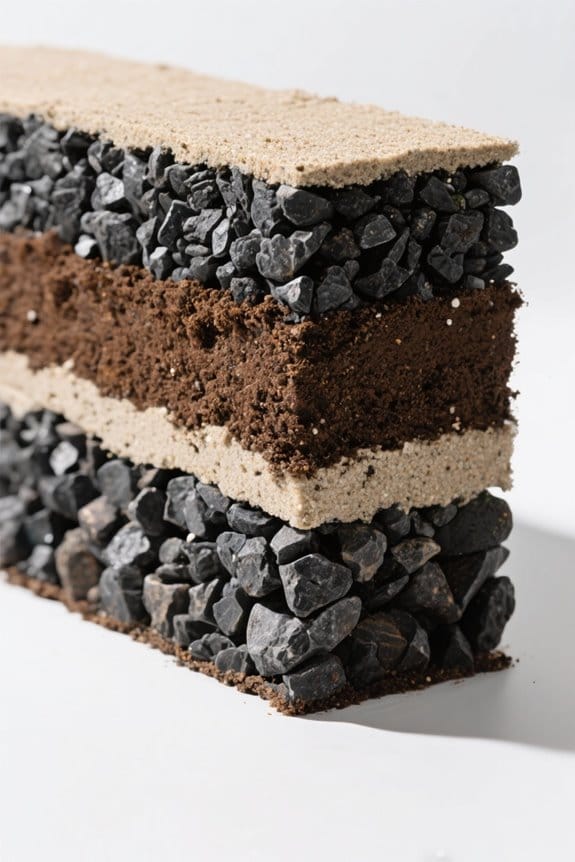
Substrate choice greatly influences the growth of rooted and epiphyte plants. Rooted plants thrive in nutrient-rich soil that provides essential minerals and organic matter. Use potting mixes designed for specific species, ensuring moisture retention. In contrast, epiphytes flourish on non-soil surfaces like driftwood or rocks, absorbing moisture and nutrients from the air. They require high humidity levels, around 60%-100%, and benefit from regular misting. Understanding these differences enhances care and promotes stronger plant health, leading to better cultivation practices.
Key Takeaways
- Rooted plants depend on nutrient-rich substrates like soil for anchoring, growth, and nutrient absorption.
- Epiphytes thrive on non-soil surfaces, absorbing moisture and nutrients from the air and surrounding environment.
- Substrate selection impacts water retention, with rooted plants needing moist soil while epiphytes require high humidity and frequent misting.
- Nutrient availability in the substrate is crucial for rooted plants, while epiphytes flourish in nutrient-poor environments.
- Mounting techniques for epiphytes enhance airflow and moisture absorption, differing from the anchoring needs of rooted plants.
Understanding the Differences Between Rooted and Epiphyte Plants
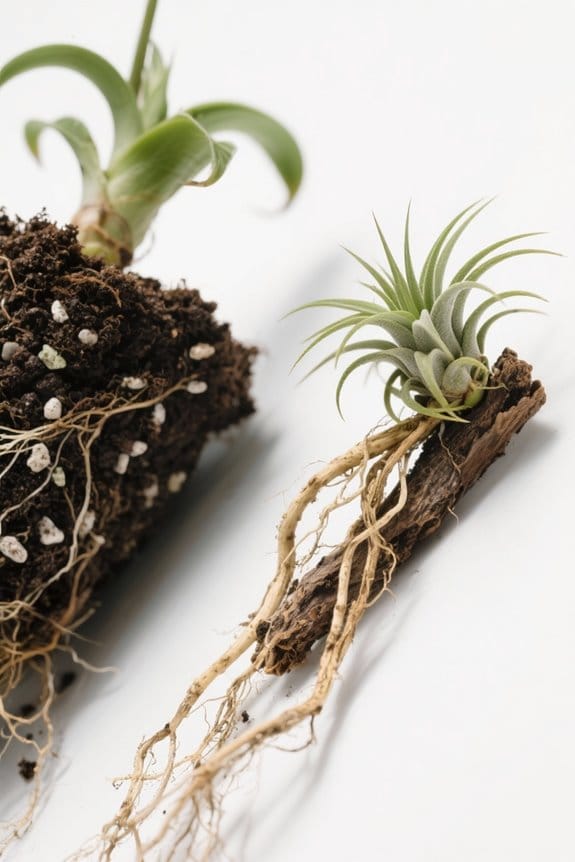
When considering the differences between rooted and epiphyte plants, one must first understand their distinct growth requirements. Rooted plants depend on a substrate, such as soil, to anchor their roots, allowing them to absorb essential nutrients and water effectively. In contrast, epiphytes, often called air plants, thrive on surfaces like rocks and trees. They possess specialized structures, like velamen roots, that enable them to absorb moisture and nutrients directly from the air and rainfall. This unique adaptation allows epiphytes to flourish in nutrient-poor environments, unlike rooted plants that require nutrient-rich substrates for ideal growth. When cultivating these plants, recognize that rooted plants thrive in well-draining soils, while epiphytes benefit from high humidity and good airflow, vital for their survival. Incorporating high concentrations of phytoplankton can bolster nutrient availability, especially for environments where rooted plants are grown.
Role of Substrate in Nutrient Acquisition

The substrate’s role in nutrient acquisition is essential for plant health and development, as it serves as the primary source of essential minerals and organic matter for rooted plants. Rooted plants absorb nutrients primarily through their roots from the substrate, which must be nutrient-rich for ideal growth. Choose appropriate soil mixes designed for specific species, as they contain crucial nutrients like nitrogen and phosphorus. In contrast, epiphyte plants, such as orchids, thrive on non-soil substrates like bark or moss. These materials enhance airflow, allowing epiphytes to absorb nutrients directly from the air. This unique adaptation enables efficient nutrient uptake even in low-nutrient conditions, demonstrating the divergent strategies plants use to acquire necessary sustenance for growth. Additionally, the choice of substrate can impact water quality and pH levels, which are critical for maintaining a healthy aquatic environment.
Mounting Techniques for Epiphyte Plants
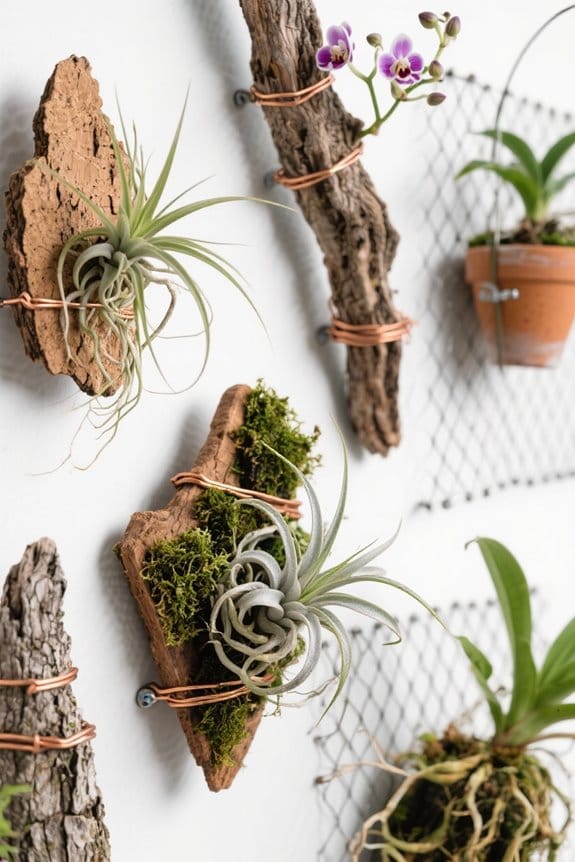
For successful mounting of epiphyte plants, using appropriate techniques is essential, as these plants thrive without traditional soil. Securely attach epiphytes to hardscapes like driftwood or stones using effective mounting techniques. Utilize fishing line or thread to tie them down, ensuring the rhizome stays exposed. Alternatively, apply gel glue for strong adhesion or use mesh to prevent rhizome burial, which can lead to rot. Pre-soaking the hardscape materials enhances attachment, promoting better grip for the epiphyte. Regularly check your plants, as they may require retying or re-gluing if they come loose over time. Following these steps will help maintain healthy, thriving epiphytes, showcasing their unique beauty in your space. Additionally, live plants can enhance water quality by providing oxygen and naturally filtering the water, making them beneficial to the overall aquatic environment.
Water and Light Requirements for Both Plant Types

Understanding the distinct water and light requirements for rooted and epiphyte plants is essential for their ideal growth. Rooted plants generally thrive in diverse light conditions, depending on their species, requiring a consistent moisture schedule to avoid dehydration. Aim for a nutrient-rich substrate that retains water, maintaining moderate humidity levels around 40%-70%. In contrast, epiphytes, like Tillandsia, prefer bright indirect light but can tolerate some direct exposure. They should be misted or soaked regularly to prevent dehydration, as their roots are adapted to absorb moisture rather than rely on soil. High humidity environments (60%-100%) are vital for epiphytes, enhancing their ability to absorb nutrients from the air, fostering resilience and drought tolerance during drier periods. When considering display options for plant showcases, opt for high-definition acrylic materials to ensure clarity and protection of the plants while maintaining an aesthetically pleasing presentation.
Maintenance and Care Considerations for Rooted vs. Epiphyte Plants
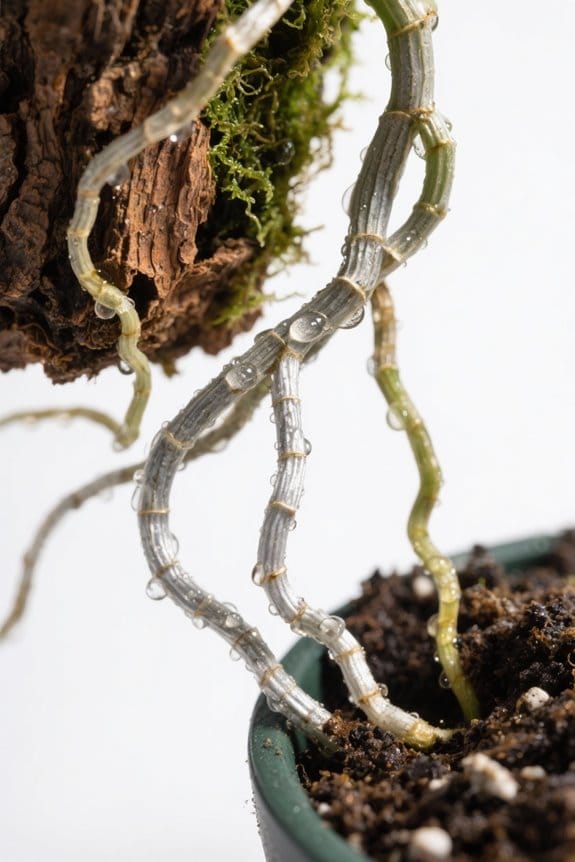
Proper maintenance and care play significant roles in the health and longevity of both rooted and epiphyte plants. Rooted plants need a suitable substrate, such as potting soil, to anchor roots and supply nutrients. Guarantee regular soil aeration and nutrient replenishment, as poor drainage can lead to root rot. In contrast, epiphyte species, like air plants, rely on high humidity to absorb moisture and nutrients directly through their leaves and specialized velamen roots. Mist these plants frequently and ensure they receive ample rainwater or filtered water to thrive. Monitor light levels for both types; flowering plants may have different needs. Many inline aquarium heaters can be used with saltwater setups, ensuring material compatibility and real-time monitoring for optimal plant conditions. Ultimately, regular attention to watering schedules and environmental conditions will optimize growth for each plant type.
Frequently Asked Questions
What Is the Best Substrate for Epiphytes?
The best substrate for epiphytes includes organic alternatives like sphagnum moss and bark, ensuring moisture control and nutrient retention. Effective drainage techniques and substrate additives enhance air circulation, essential for the health of common epiphytes like orchids.
How Do Different Substrates Impact Plant Growth?
Different substrates impact plant growth by influencing nutrient absorption, moisture retention, aeration levels, pH balance effects, organic matter content, and drainage capabilities, ultimately determining growth rates through their ability to support healthy root development.
What Is the Difference Between the Root of the Epiphytes and Roots of the Common Plants?
Epiphyte adaptations include specialized root structures that prioritize moisture retention and environmental interaction, promoting stability in vertical habitats. In contrast, common plants develop robust roots for nutrient absorption and horizontal growth patterns within soil environments.
Why Do Epiphytes Not Require Soil?
Epiphytes thrive without soil due to root adaptations for light exposure and humidity preference. They absorb air moisture, utilize efficient nutrient absorption techniques, and retain water, ensuring robust photosynthesis processes in nutrient-poor environments.