To create a natural planted Betta tank with hiding spots, start with a minimum 5-gallon tank, ideally 10 gallons or larger for stability. Use a gentle flow filter like the Aqueon Quiet Flow 20 and an appropriate heater, such as the Hygger HG083. Choose natural substrates like Fluval Stratum and plant Java Fern, Anubias, and Cryptocoryne for hiding spots. Incorporate hardscape like rocks and driftwood. Maintain water quality and conditions, ensuring a healthy environment for your Betta. More details will help enhance your setup.
Key Takeaways
- Choose a minimum 5-gallon tank size to support stability and accommodate live plants for your betta’s comfort.
- Use gentle flow filters and reliable heaters to maintain optimal water temperature and conditions without disturbing the environment.
- Select natural gravel or coarse sand as substrate to mimic the betta’s natural habitat while allowing for plant growth.
- Incorporate a variety of plants, such as Java Fern and Anubias, to create hiding spots and enhance the tank’s aesthetic appeal.
- Regularly maintain the tank with a cleaning kit and gravel vacuum to ensure a healthy environment for your betta.
Understanding Betta Fish Behavior and Environment

Understanding the behavior and environment of betta fish is essential for providing an ideal habitat. Betta fish are territorial by nature, often requiring hiding spots like coconut shells or betta logs to minimize stress and aggression. Incorporate these elements in their tank to help them feel secure. Aim for water parameters within 75 to 82°F, with a pH of 6.5 to 7.5, to mimic their natural habitat. Adding live plants not only offers stimulation but also encourages the betta to explore, enhancing its quality of life. When selecting tank mates, make certain they are compatible to prevent conflicts. Consider using a multi-functional cleaning kit to maintain tank cleanliness without disturbing the betta’s environment. By focusing on suitable hiding spots and the right conditions, fish keeping enthusiasts can create a thriving environment for their betta fish.
Ideal Tank Size for a Planted Betta Setup

An appropriately sized tank is essential for a successful planted betta setup. The minimum recommended tank size for betta fish is 5 gallons; however, a tank size of 10 gallons or larger is ideal. This allows for accommodating live plants and enhancing water temperature stability, which bettas need. A 20-gallon long tank provides increased swimming space and better water chemistry, making it suitable for compatible tank mates. Larger tanks also support beneficial bacteria growth, important for maintaining water quality and reducing water changes. In addition, choosing an appropriate tank size offers ample opportunities for creating hides and shelters with plants and decorations, ultimately promoting the health and well-being of the betta fish and the planted tank ecosystem. When setting up a tank, consider using a heater with automatic shut-off mechanisms to maintain a safe and consistent temperature for your fish.
Essential Equipment for Your Betta Tank

Creating a thriving betta tank requires essential equipment that guarantees a healthy environment for these vibrant fish. A gentle flow filter, such as the Aqueon Quiet Flow 20, assures effective tank maintenance without disturbing your betta. Invest in a reliable heater like the Hygger HG083 nano heater, maintaining water temperatures between 76°F and 82°F. Daily temperature monitoring with an accurate thermometer promotes stability. Use LED lighting for a low-tech tank, providing adequate illumination while preventing excessive heat that could stress the fish. Don’t forget a secure tank lid to prevent jumping and minimize evaporation, helping maintain consistent pH levels and water parameters. Each component plays a critical role in creating a comfortable, balanced habitat for your betta. Durable materials and safety features in aquarium equipment can enhance longevity and reliability, ensuring a stable environment for your betta.
Selecting the Right Substrate for Your Betta

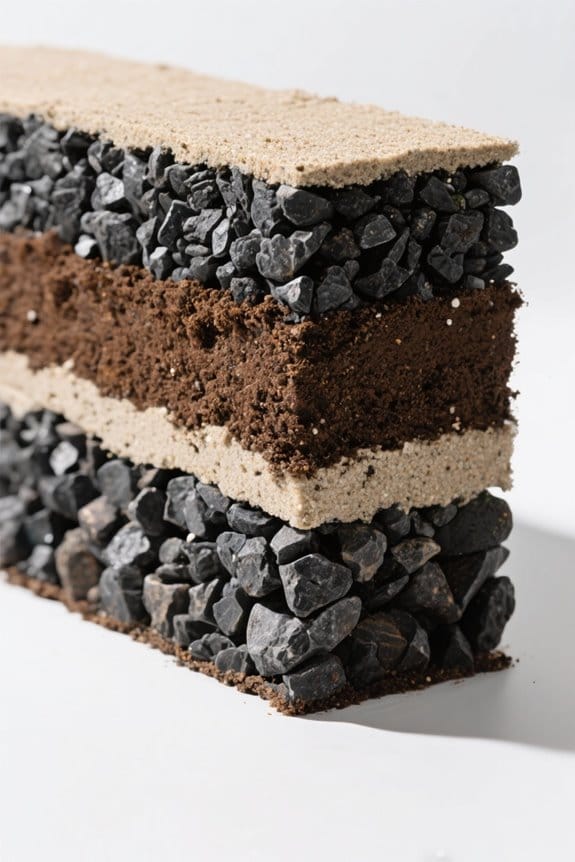
Selecting the ideal substrate for a betta tank is essential for creating a natural and healthy environment. Natural gravel or coarse sand is recommended, as it mimics the betta’s habitat and supports plant growth. Aim for a substrate depth of around 2 inches, which promotes root establishment while minimizing cloudiness during setup. For aquascaping, consider Fluval Stratum; it’s affordable and supplies necessary nutrients for plants. Avoid aquasoil if keeping shrimp, as it may alter water chemistry and harm your betta. When installing the substrate, set the tank water level 1-2 inches above it to encourage beneficial bacteria growth. Regularly use a gravel vacuum for cleaning, and utilize HOB filters to maintain ideal tank conditions. Choosing a substrate that maintains pH stability is crucial for the health of your betta, as fluctuations can be harmful to aquatic life.
Best Plants for Creating Hiding Spots

Enhancing the betta’s habitat with the right plants can markedly improve both aesthetics and the fish’s well-being. For the best plants for creating hiding spots, consider Java Fern (Microsorum pteropus), which can be attached to rocks or driftwood, improving tank aesthetics with lush green leaves. Anubias species like Anubias Nana are hardy and thrive in low light, providing shaded areas where bettas can retreat. Cryptocoryne plants, available in various shapes, are ideal for forming dense clusters that create secure hiding spots while improving water quality. Incorporate floating plants like Duckweed or Water Sprite to provide cover from above and diffuse light, enhancing the tank’s aesthetic. Finally, Monte Carlo (Micranthemum tweediei) serves as a low-lying carpet, promoting a thriving ecosystem. Live plants enhance water quality by providing oxygen and naturally filtering the water, which is crucial for maintaining a healthy aquatic environment.
Incorporating Hardscape for Added Shelter
Incorporating natural hardscape elements like spider wood and seiryu stone is essential for creating a secure environment for bettas. These materials provide stable hiding spots and shelter, reducing stress and enhancing security. Arrange hardscape features thoughtfully to create multiple hiding spots and open swim areas, allowing your betta to explore and retreat as necessary. Utilize aquarium-safe glue to secure hardscape pieces, ensuring they do not shift during maintenance. For added visual interest and three-dimensionality, consider creating vertical layers with different sizes of hardscape. Combine these elements with low-light epiphytic plants, such as Anubias and Java Fern, which can be attached to the structures. This effective design provides both aesthetic appeal and additional hiding spots for your betta. It’s important to maintain ideal water conditions, such as a temperature between 76°F to 82°F and a pH level of 6.5 to 7.5, to ensure the health and comfort of both bettas and any other tank mates.
Maintaining Water Quality and Conditions
To guarantee a thriving environment for bettas, maintaining ideal water quality and conditions is essential. Monitor water parameters weekly, aiming for temperatures between 76°F–82°F (24°C–28°C) and a pH level of 6.5–7.5. Utilize a quality test kit to check ammonia and nitrite levels, ensuring they remain at 0 ppm. Conduct water changes of 25-30% weekly to prevent harmful buildups. Incorporate live plants like Limnophila Sessiliflora and Anubias to absorb excess nutrients and assist in the nitrogen cycle. Regularly test nitrate levels, keeping them below 40 ppm; perform additional water changes if they exceed this. Finally, use a hang-on-back filter for effective water circulation while avoiding strong currents that may distress bettas. When setting up an aquarium, using a non-toxic silicone sealant ensures a safe and leak-proof environment for aquatic life.
Frequently Asked Questions
How to Make Hiding Spots for Betta?
Betta tank decor displays delightful diversity, featuring aquarium caves, clever plant arrangements, and strategic visual barriers. Incorporate substrate choices and driftwood placement to craft cozy hiding spots, ensuring bettas feel secure and stress-free in their aquatic abode.
How to Make a Natural Betta Tank?
Creating a natural betta tank requires following betta tank guidelines, employing natural aquascaping tips, selecting appropriate plants, ensuring compatible tank mates, maintaining ideal water conditions, and practicing diligent tank maintenance for a thriving aquatic environment.
Do Bettas Like Heavily Planted Aquariums?
In the verdant domain of a betta tank, aquatic plant types weave sanctuary among shadows, enhancing betta fish behavior and fostering harmony. The proper tank temperature, water quality, and lighting conditions support their joy in this lush paradise.
How to Create More Hiding Spots in a Fish Tank?
To create more hiding spots in a fish tank, one can focus on creating caves with driftwood, adding plants, incorporating rock formations, utilizing decor, and incorporating moss to enhance the environment for fish.