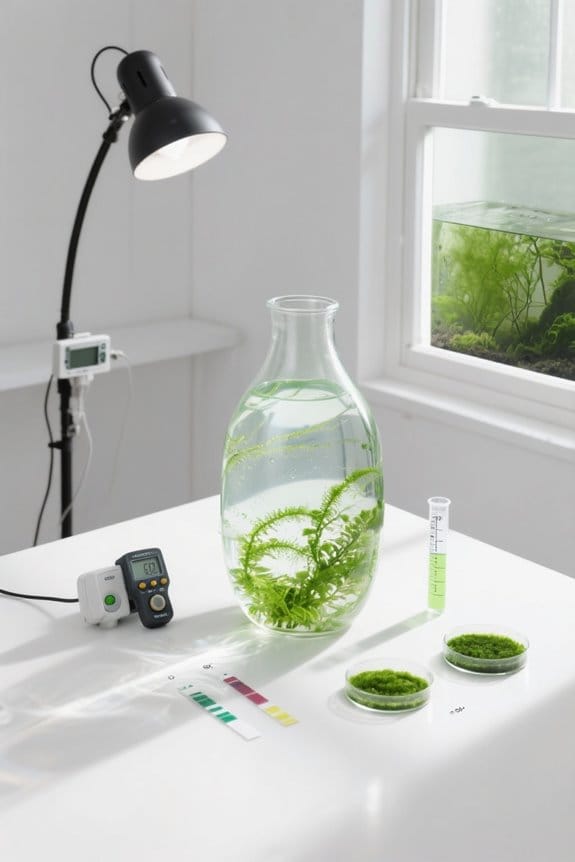
The nitrogen cycle transforms toxic ammonia from fish waste and uneaten food into less harmful nitrite and nitrate. Ammonia must remain at 0 ppm to protect fish health, as levels above 1.0 ppm can cause severe stress. Nitrite, a toxic byproduct, interferes with oxygen transport, while nitrate, though less harmful, should ideally be at 0 ppm, and acceptable up to 5.0 ppm. Manage ammonia through regular water changes and monitor nitrate levels using aquatic plants to maintain balance. Discover more about effective strategies for your aquarium.
Key Takeaways
- The nitrogen cycle in aquariums converts toxic waste like ammonia into less harmful substances through nitrifying bacteria.
- Ammonia is produced from fish waste and must be kept at 0 ppm for fish safety to prevent harm.
- Nitrite is a toxic intermediate that can stress fish; levels often peak after an ammonia spike and require management.
- Nitrate, the final product of nitrification, is less toxic but should be monitored; plants can help utilize and reduce nitrate levels.
- Biological filtration aids the nitrification process by promoting beneficial bacteria that convert ammonia to nitrite and nitrite to nitrate.
The Importance of the Nitrogen Cycle for Aquariums

The nitrogen cycle is fundamental for maintaining a healthy aquarium environment because it transforms the toxic waste produced by fish into less harmful substances. Initially, fish waste breaks down into ammonia, which is highly toxic and must be kept at 0 ppm. If levels exceed 1.0 ppm, fish face severe health risks. To mitigate this danger, nitrifying bacteria convert ammonia into nitrite, another harmful substance that should also remain at 0 ppm. Nitrite can suffocate fish by impairing their oxygen transport. Eventually, nitrifying bacteria further convert nitrite into nitrate, which, while less toxic, still requires management. Regular water changes or utilizing aquatic plants can help keep nitrate levels in check, ensuring the aquarium remains a safe haven for its inhabitants. To effectively manage nitrate levels, using nitrate removers like the API NITRA-ZORB Aquarium Canister Filter Filtration Pouch can aid in maintaining optimal water quality.
Understanding Ammonia: Sources and Effects
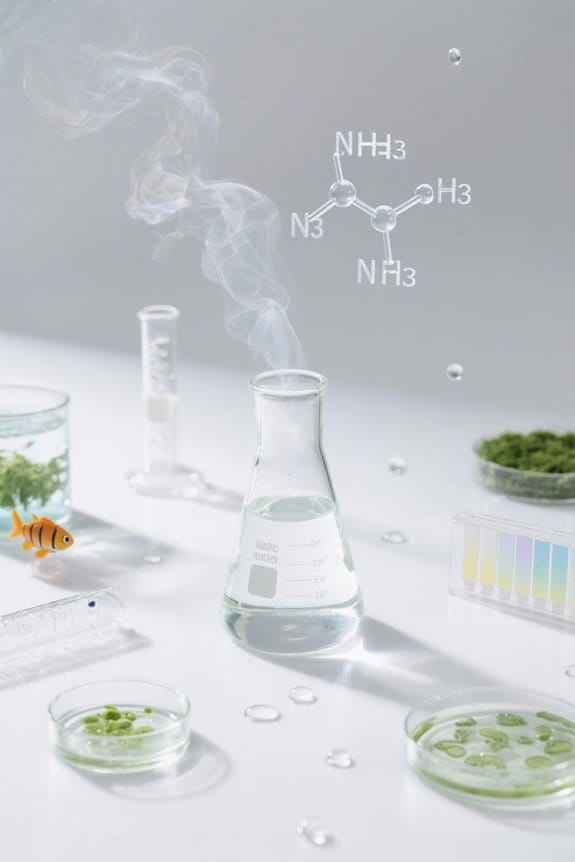
While many may not realize it, ammonia is a critical concern in aquarium maintenance, as it is primarily produced from fish excretion, uneaten food, and decomposing organic matter. Ideal ammonia levels should be maintained at 0 ppm, as concentrations above 1.0 ppm can be harmful and stress fish health. Ammonia is highly toxic, leading to chemical burns if the pH level exceeds 8. This toxicity can peak shortly after tank setup, marking the beginning of the nitrogen cycle, before being converted into nitrites by nitrogen-fixing bacteria. Regular monitoring and management of ammonia levels are essential. Utilize water testing kits to keep track, and perform partial water changes to dilute ammonia, ensuring a safe environment for your aquatic life.
The Role of Nitrite in Aquatic Ecosystems

Maintaining a healthy aquatic environment requires a deep understanding of the role nitrite plays in the nitrogen cycle. Nitrite (NO₂⁻), a toxic intermediate product produced by ammonia oxidation through Nitrosomonas bacteria, poses risks to aquatic life. Even low concentrations, as little as 0 to 0.25 ppm, can stress fish by impeding oxygen transport in their bloodstream. Regular monitoring is crucial, especially since nitrite levels often peak six to eight weeks after an initial ammonia spike. To manage these levels, perform partial water changes and guarantee effective biological filtration. Beneficial bacteria convert harmful nitrite into less toxic nitrate (NO₃⁻), which plants can utilize, promoting a balanced ecosystem and safeguarding aquatic health. Non-toxic materials used in aquarium decor also support beneficial bacteria growth, contributing to cleaner water and healthier aquatic environments.
Nitrate: The Less Toxic End-Product

Nitrate (NO₃⁻) serves as the less toxic end product of the nitrogen cycle, resulting from the conversion of nitrite by nitrifying bacteria, such as Nitrobacter. It is vital to understand that, while nitrate is less harmful to fish compared to ammonia and nitrite, ideal nitrate levels should be maintained at 0 ppm. An acceptable range is up to 5.0 ppm to prevent excess algae growth. High nitrate levels contribute more to water quality issues than immediate health risks for aquatic life. Aquatic plants benefit from nitrates, using them as nutrients, which help reduce nitrate levels through their growth. Regular monitoring and water changes are essential to maintain a balanced ecosystem for both fish and aquatic plants. Using eco-friendly materials in aquarium setups can help minimize environmental impact while supporting the well-being of aquatic life.
The Process of Nitrification

Nitrification activates a vital process within the nitrogen cycle, converting toxic ammonia (NH₃) into less harmful substances. This biological transformation begins with beneficial bacteria, primarily Nitrosomonas, which oxidizes ammonia into nitrites (NO₂⁻). Subsequently, another group of bacteria, known as Nitrobacter, converts these nitrites into nitrates (NO₃⁻), which are much less toxic to aquatic life. Maintaining well-aerated water is necessary, as both Nitrosomonas and Nitrobacter thrive in oxygen-rich environments. Ammonia levels typically peak within the first week of cycling, while nitrite levels may reach their maximum about six to eight weeks later. Successful nitrification guarantees that ammonia and nitrite levels drop to zero, creating a healthier ecosystem for fish and enabling aquatic plants to utilize these nitrogen compounds effectively. Using biological filtration media such as bio balls can enhance the nitrification process by providing increased surface area for beneficial bacteria to colonize.
Managing Nitrate Levels in Your Aquarium
Aquarium health hinges on diligent management of water quality, which includes closely monitoring nitrate levels. Ideally, nitrate levels should remain below 40 ppm to protect fish and reduce algal growth. To achieve this, conduct regular water changes of 10-20% weekly. This practice helps dilute nitrates while also supporting ammonia and nitrite levels. Additionally, incorporate aquarium plants; these not only enhance aesthetics but also absorb nitrates for their growth, which improves overall water quality. Use reliable aquarium test kits to monitor nitrate levels, ensuring they stay within the best range of 0 – 5.0 ppm. Finally, regulate feeding to prevent overfeeding, which leads to decomposed organic matter and subsequent nitrate accumulation. Regular water testing is advised at least twice a week to maintain ideal water conditions and ensure the health of aquatic pets. These steps foster a healthier aquarium environment.
Enhancing Biological Filtration With Aquatic Plants
How can the addition of aquatic plants transform the biological filtration in an aquarium? Aquatic plants play a vital role by absorbing ammonia and nitrates, enhancing water quality. By integrating healthy plants, aquarists allow these organisms to actively remove harmful nitrates, preventing toxic accumulation. Furthermore, aquatic plants provide surfaces for beneficial bacteria, essential for nitrification processes. To maximize the filtration capacity, a diverse selection of plant species is recommended; different plants absorb nitrogen compounds at varying rates, creating a balanced ecosystem. Regular fertilization guarantees that plants maintain robust health and effective nutrient uptake, reinforcing their filtration abilities. For best results, monitor nutrient levels and adjust plant selection accordingly, maintaining a thriving aquatic environment for all inhabitants. Fluval Natural Mineral-Rich Volcanic Soil Bio Stratum supports robust plant growth and vibrant coloration, aiding in the establishment of a balanced ecosystem by rapidly reducing ammonia levels.
Frequently Asked Questions
How Long Does the Nitrogen Cycle Take to Establish in an Aquarium?
The nitrogen cycle in an aquarium typically takes four to six weeks to establish. But what factors influence this cycling duration? Ammonia source options, beneficial bacteria types, and nitrate accumulation effects play essential roles.
Can Beneficial Bacteria Survive Without Ammonia or Nitrite Present?
Beneficial bacteria cannot thrive indefinitely without ammonia or nitrite, as their survival strategies rely on these substrates for energy. Their presence is essential for maintaining aquatic ecosystem balance and supporting the nitrification process effectively.
How Can I Test My Aquarium Water for Ammonia, Nitrite, and Nitrate?
To gauge aquarium health, one must navigate the vibrant sea of water parameters using test kits. Regular testing frequency reveals hidden ammonia, nitrite, and nitrate levels, ensuring the aquatic ecosystem thrives in harmony and balance.
What Are the Signs of an Uncycled Aquarium?
Signs of an uncycled aquarium include excessive algae growth, visible fish stress, and cloudy water. Additionally, ammonia spikes may occur, indicating an unhealthy environment for aquatic life, necessitating immediate attention and corrective measures.
How Often Should I Change the Water During the Cycling Process?
Water change frequency during cycling should be every 15-30%, every few days. This helps manage ammonia levels and maintains tank health. Employ ammonia removal techniques as needed, following tank maintenance tips for ideal cycling process duration.