Choosing the right aquarium size is vital for fish health. A minimum of 20 gallons is needed for goldfish, while bettas thrive in at least 5 gallons. Schooling fish, such as neon tetras, require 10 gallons or more for groups. Larger species like cichlids need 30-55 gallons. Measure your space accurately and consider tank shape for swimming room. Regular maintenance is essential, along with monitoring nitrate levels. Discover more about ideal fish combinations and care tips throughout the guide.
Key Takeaways
- Choose tank sizes based on fish species’ adult size; 1 inch per gallon is a good rule for small community fish.
- Goldfish require at least 20 gallons; larger varieties benefit from 30 gallons or more to thrive.
- Betta fish can live happily in a minimum of 5 gallons, ideally alone to prevent aggression.
- Schooling fish like neon tetras need tanks of 10 gallons or more, ideally in groups of six or more for social interaction.
- Territorial species such as cichlids need larger tanks, typically starting at 40 gallons, to maintain peace and reduce stress.
Understanding Fish Tank Sizes and Importance of Dimensions
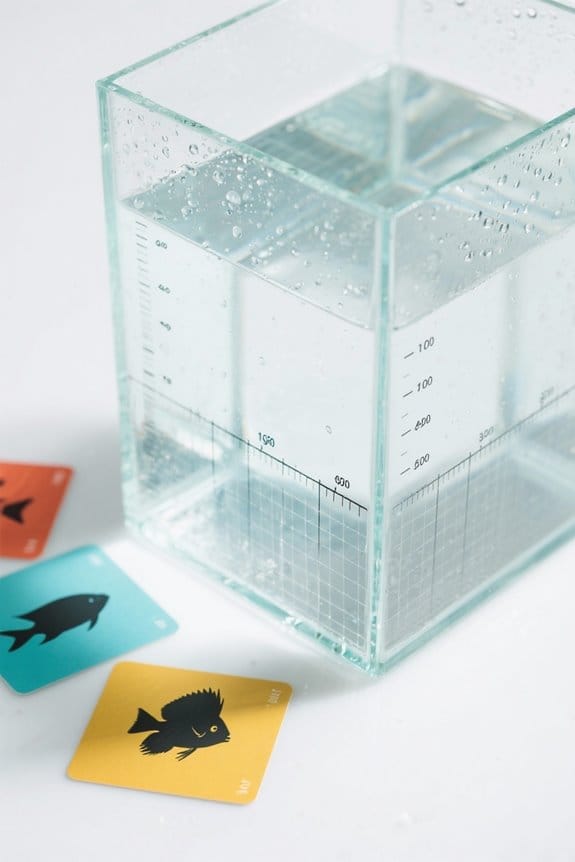
Understanding the sizes and dimensions of fish tanks is essential for successful aquarium management. Fish tank sizes are typically measured in gallons, with common options including 10, 20, 29, 40, 55, 75, and 125 gallons. These dimensions directly affect the swimming space available for different species of fish. The rule of thumb is one inch of adult fish per gallon for small community fish, but larger species often require more space. Additionally, consider the tank’s footprint and height; active species benefit from horizontal space, while those preferring vertical swimming benefit from taller tanks. Furthermore, larger tanks promote better oxygen levels through increased surface area, crucial for maintaining a healthy aquarium ecosystem. Many multi-stage filtration systems can be tailored to fit different tank sizes, ensuring effective water clarity and overall aquarium health. Choose wisely to guarantee your fish thrive.
Matching Tank Size to Fish Needs

Selecting the right tank size for specific fish species is fundamental to their health and overall happiness. For instance, goldfish require a minimum tank size of 20 gallons, with 30 gallons recommended for ideal growth. In contrast, betta fish thrive in heated, filtered environments of at least 5 gallons. When housing schooling fish, like neon tetras, aim for a tank over 20 gallons to accommodate their social needs. Territorial fish, such as specific cichlids, demand at least 40 gallons to reduce aggression, necessitating ample floor space. Remember, while a general guideline is 1 inch of fish per gallon for community fish, larger species require more swimming space to thrive comfortably. Select tank sizes thoughtfully to guarantee a harmonious aquatic environment. It’s also important to ensure that live clownfish are compatible with other tank inhabitants to avoid overcrowding and maintain peace.
Practical Considerations for Tank Selection

When planning to set up an aquarium, it’s essential to contemplate a range of practical factors that can significantly impact both the tank’s functionality and the wellbeing of its inhabitants. First, accurately measure your space; a filled 10-gallon tank weighs about 110 lbs, while a 75-gallon tank exceeds 850 lbs, demanding a sturdy foundation. Next, maintain ideal water quality by selecting a tank size that suits your fish species. Remember, larger tanks often hold more beneficial bacteria, promoting a healthier environment. Additionally, consider tank shape; unique designs may allure but often reduce swimming room needed for certain species, affecting their behavior. Regular upkeep, including water changes, increases with tank size, so prepare for the added workload to support your aquatic life. Multiple stages of filtration are essential for maintaining water quality and clarity, ensuring a healthier habitat for your fish.
Common Fish Species and Their Space Requirements

Aquarium planning involves selecting fish species that align with specific space requirements to create a thriving aquatic environment. Goldfish require a minimum of 20 gallons for a single fish, with 30 gallons recommended due to their size and waste production. Betta fish, on the other hand, thrive in a 5-gallon size tank, preferably kept alone or with non-aggressive species. For social species like neon tetras, a tank of at least 10 gallons with groups of six or more is essential. Cichlids, such as African cichlids, need 30-55 gallons for swimming space and reduced aggression. Guppies, vibrant and sociable, ideally inhabit a 10-20 gallon tank, benefiting from aquatic plants and group dynamics when adding new fish. Selecting high-quality goldfish food is essential for maintaining water quality and supporting the overall health of goldfish in their environment.
Monitoring Water Quality and Adjusting Stocking Levels

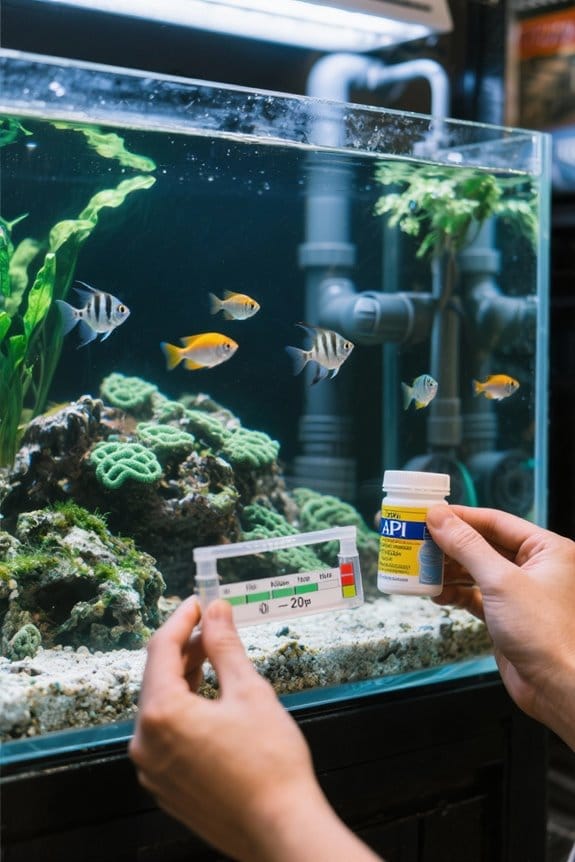
Monitoring water quality is essential for maintaining a healthy aquarium environment, and regular testing helps fishkeepers adjust stocking levels appropriately. Regularly check nitrate levels, aiming for a concentration below 40 ppm, to determine if the aquarium size can support the current fish population. Introduce new fish gradually; this allows beneficial bacteria to adapt to the increased waste without overwhelming the ecosystem. Conduct weekly nitrate tests, especially after adding new fish, to monitor potential spikes in waste production. Additionally, consider incorporating live plants, as they help absorb nitrogen waste and enhance water quality. Always adjust stocking levels based on these parameters; overstocking can lead to dangerous ammonia or nitrate spikes, ultimately threatening the health of fish tanks. For beginners, user-friendly options like Monitor Nitrite Test Kit are ideal for quick and reliable testing to ensure a balanced aquatic environment.
Tips for Successful Community Tank Setups
Creating a successful community tank requires careful planning and consideration of fish species to guarantee harmony and health. Choose fish from similar geographic origins; this enhances compatibility and minimizes aggressive interactions among tank mates. Opt for schooling fish in groups of six or more, improving social behavior and reducing stress within the aquarium. Incorporate various decorations and plants, as these create hiding spots that help break lines of sight and lessen aggression among territorial species. Maintain a proper male-to-female ratio for livebearers to confirm a balanced tank dynamic. Gradually introduce new fish into an established tank, allowing time to monitor their compatibility and prevent sudden spikes in aggression or stress that could jeopardize the aquarium’s stability. Consider species like Firefish Gobies that have specific habitat requirements such as ample live rock for shelter, as they thrive in well-maintained environments and add vibrant colors to the aquarium.
Frequently Asked Questions
How to Determine Tank Size for Fish?
Determining tank size requires understanding fish compatibility, species requirements, water volume, and filtration needs. By aligning these factors, an ideal environment fosters healthy fish and enhances their vibrant life within the aquatic ecosystem, ensuring harmony.
What Is a Good Size Beginner Fish Tank?
A 20 to 30-gallon tank is ideal for beginners, supporting beginner-friendly species. Small tank options offer aesthetic appeal, while proper filtration systems and maintenance tips guarantee a stable environment for healthy aquatic life.
What Is the Ratio of Fish to Tank Size?
The ratio of fish to tank size varies by species compatibility and fish size. Effective bioload management and appropriate tank filtration are crucial, particularly for schooling fish, to maintain water quality and guarantee fish health.
What Are the Common Tank Size Mistakes?
Overcrowding issues often arise when aquarists underestimate fish sizes, ignoring growth potential. Inadequate filtration and misjudging compatibility between species further complicate tank management, leading to stress and unhealthy environments within the aquarium ecosystem.