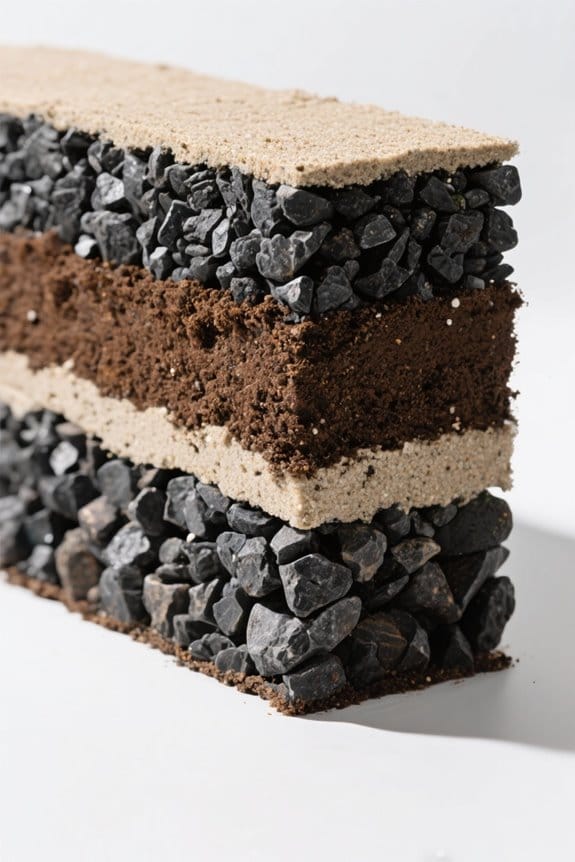
When comparing planted aquarium substrates, consider soil, sand, and gravel. Soil, like ADA Aquasoil, offers essential nutrients and supports plant growth but may cause initial ammonia spikes. Aim for 1.5 inches of depth. Sand provides a gentle surface for bottom-dwelling fish but requires stirring to avoid compaction. Gravel, ideal for beginners, needs regular cleaning and supplemental nutrition, such as root tabs. Each substrate has unique characteristics; understanding them helps create a thriving aquatic environment. Explore further for more insights.
Key Takeaways
- Soil substrates are nutrient-rich, promoting plant growth but require regular monitoring of ammonia and nutrient replenishment every 1-2 years.
- Gravel offers stability and aesthetic variety but lacks nutrients, necessitating supplemental fertilization for plant health.
- Sand provides a natural look and is gentle on bottom-feeders, but it may compact, hindering root growth and nutrient absorption.
- Combining substrates, like using soil for plants and gravel or sand for aesthetics, enhances both functionality and visual appeal in aquariums.
- Regular maintenance is crucial for all substrate types, with specific needs for soil, gravel, and sand to ensure optimal plant and aquatic health.
Understanding Aquarium Substrates
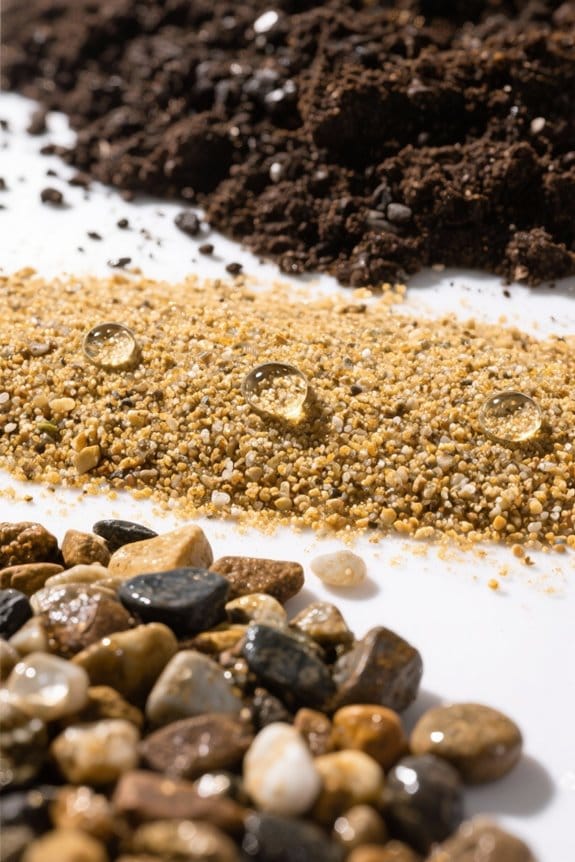
Aquarium substrates serve as the foundation for aquatic life, markedly influencing the ecosystem within a tank. Understanding the different types—soil, gravel, and sand—is essential for achieving a healthy environment. Soil, characterized by its nutrient-rich, clay-based composition, is important for promoting healthy plant growth and providing aquatic plants with crucial minerals. Conversely, gravel offers stability and aesthetic variety but lacks nutrients. Therefore, supplementing with root tabs is necessary for effective plant health. Sand presents a natural appearance, ideal for bottom-dwelling fish, yet its compact nature may hinder root growth. To create an effective aquascape, consider layering substrates, placing soil in the back and either sand or gravel in the foreground for visual appeal and functional balance. Some substrates, like Fluval Plant and Shrimp Stratum, are specifically designed to maintain optimal pH stability and support plant life, making them an excellent choice for freshwater tanks.
Benefits of Using Soil in Aquariums

Why should one consider using soil in a freshwater aquarium? Soil substrates are nutrient-rich, essential for providing nutrients for plant growth, and support the development of healthy root systems. Aim for a depth of approximately 1.5 inches (4 cm) to achieve ideal root growth and create a habitat for beneficial bacteria that maintain the nitrogen cycle. Soil can also lower pH and soften water, improving overall water quality for tropical fish. However, watch for initial ammonia release during setup, as it may cause water parameter spikes. After one to two years, soil nutrients will deplete, so incorporating root tabs is necessary for sustaining aquarium plants. Soil substrates also help promote nutrient circulation, which is critical for plant health and overall ecosystem balance. Overall, using soil substrates greatly enhances both plant health and aquatic life.
Characteristics of Aquarium Sand

Sand serves as a popular substrate choice in many freshwater aquariums, offering both aesthetic appeal and functional benefits. Aquarium sand provides a natural look, resembling riverbeds, and comes in various colors and textures. Its compact nature aids in debris cleaning, but such density can restrict root growth for live plants and may create anaerobic zones if neglected. Unlike gravel, sand is gentler on bottom-dwelling fish, making it suitable for species like cichlids and catfish. However, aquarium sand does not supply essential nutrients for plant growth, so employing root tabs becomes vital for supporting aquatic plants effectively. Additionally, sifting fish like Geophagus thrive in sand, as they can naturally dig and sift through fine granules, enriching their environment. Many aquarists prefer live sands as substrates because they support beneficial bacteria growth and maintain stable pH levels, enhancing the overall health of aquatic ecosystems.
The Versatility of Gravel Substrates

Gravel substrates offer considerable versatility for aquarists seeking both functionality and aesthetic appeal. Available in various shapes, sizes, and colors, gravel allows for extensive customization to fit any aquarium theme. This substrate type creates a stable environment, providing a supportive base for plant roots and maintaining water quality through beneficial bacteria growth. However, remember that gravel is inert; it does not supply nutrients for plant growth, necessitating supplemental fertilization. Opt for gravel around 2mm in size for ideal water circulation and root aeration. While coarser varieties like volcanic gravel are budget-friendly and mimic natural riverbeds, avoid sharp-edged types to protect sensitive bottom-feeding fish. Choosing gravel can create both visual and ecological satisfaction in your aquarium. Fluval Plant Stratum supports plant growth and biodiversity, making it a suitable complement to gravel substrates in enhancing the overall health of an aquatic environment.
Choosing the Right Substrate for Your Fish

Selecting the right substrate is essential for ensuring a healthy and vibrant aquarium environment tailored to specific fish species. For a planted tank, choose nutrient-rich soil, which supports robust plant growth but may lack minerals for fish like guppies. If your aquarium features digging fish, opt for fine sand, providing a gentle substrate but watch for compaction that can hinder root development. Alternatively, gravel offers versatility with various colors and textures, creating stable habitats for diverse species; however, it often requires root tabs for effective plant sustenance. Evaluate your fish and plants’ needs carefully; finding the right combination of soil, gravel, and sand is vital for maintaining an ideal balance in your aquarium ecosystem. Additionally, some natural gravels promote beneficial bacteria, which play a key role in maintaining water quality and overall aquatic health.
Impact of Substrate on Plant Growth
The choice of substrate plays a crucial role in the health and energy of aquatic plants within an aquarium. Soil substrates are nutrient-rich and greatly enhance plant growth; they provide important minerals and promote beneficial bacteria activity, making them ideal for heavily planted tanks. Aim for a soil depth of approximately 1.5 inches (4 cm) to guarantee peak root development and nutrient access. In contrast, gravel lacks the necessary nutrients, requiring additional fertilization to support plant health, while sand, although aesthetically pleasing, may compact over time, hindering root growth and limiting nutrient absorption. Ultimately, selecting the right substrate impacts not only the vigor of aquatic plants but also the overall success of the aquarium’s ecosystem. Fluval Bio Stratum enhances water quality and promotes vigorous plant growth due to its inclusion of dormant nitrifying organisms, making it an excellent choice for aquariums.
Layering Substrates for Enhanced Aesthetics
When creating an aesthetically pleasing aquarium, using a layering technique can greatly enhance the visual appeal. Begin by placing nutrient-rich soil at the back of the tank, ensuring a substrate depth of approximately 1.5 inches for ideal plant growth and rooted development. Next, add sand or gravel in the foreground to create contrast and visual depth. Utilize decorative barriers, such as rocks or driftwood, to separate the substrate layers effectively. This method not only improves stability and provides a clean look but also encourages healthy plant growth by granting access to essential nutrients. Engaging in layering substrates ultimately cultivates an attractive, dynamic environment for both fish and plants, enriching both the aesthetics and functionality of the aquarium. Additionally, maintaining pH stability is crucial for the overall health of the aquatic ecosystem, as it ensures that both plants and fish thrive in their ideal conditions.
Compatibility of Different Substrates With Aquatic Life
Choosing the right substrate for an aquarium is crucial, as it greatly impacts the health and well-being of aquatic life. Soil is the best choice for planted tanks since it is rich in nutrients, promoting robust plant growth that benefits fish by enhancing water parameters. Fish need a wholesome environment; consequently, nutrient-poor gravel or sand may require additional fertilizers for peak plant health. While gravel offers a stable base, verify it is not sharply edged to prevent injuries to bottom-feeding species. Conversely, sand suits these fish, but its tight compaction can hinder roots, risking health. Consider combining soils with gravel caps to fulfill plants’ nutritional needs while creating a safe, visually appealing habitat for aquatic life. In addition, protein skimmers play a vital role in maintaining water quality by efficiently removing waste, ensuring a healthy ecosystem for both plants and aquatic animals.
Maintenance Tips for Soil Aquariums
Maintaining a soil aquarium requires attention to several key factors to assure a thriving aquatic environment. First, monitor water parameters regularly, as initial ammonia release from aquarium soil can harm fish. Confirm the soil depth is around 1.5 inches (approximately 4 cm) to support plant roots effectively while promoting beneficial bacteria growth. To replenish nutrient-rich soil, use root tabs every one to two years, as nutrients deplete over time. Additionally, incorporate Malaysian trumpet snails to aerate the substrate and prevent compaction, fostering a healthy ecosystem. Consider mixing your soil with a gravel cap for aesthetic appeal and easy access to the nutrients below. High-quality foam sponges are recommended for effective filtration, as they capture impurities and maintain clear water in soil aquariums. By following these tips, one can maintain a balanced soil aquarium successfully.
Pros and Cons of Using Sand in Aquariums
Aquarium sand can transform an aquatic setup by offering an appealing aesthetic reminiscent of natural habitats, yet its use comes with distinct advantages and disadvantages. One major pro is its fine texture, which benefits bottom-feeding fish by being gentle on their sensitive bellies. However, sand is inert, meaning it lacks essential nutrients, so aquarists must supplement with fertilizers for healthy plant growth. Additionally, while sand prevents debris buildup and helps maintain water cleanliness, it can become compacted, potentially creating anaerobic zones where plants can struggle to root. Regular stirring is necessary to avoid these problems. One of the top sand substrates, Aquarium Silica Sand, is known for its dense composition that prevents it from blowing around and is safe for aquatic life. Consequently, potential aquarium enthusiasts should weigh the pros and cons before choosing sand, considering the overall impact on water chemistry and plant health.
Gravel: A Reliable Choice for Beginners
Gravel stands as a foundational substrate well-suited for beginners venturing into the world of aquariums. Its affordability and variety allow for creative aesthetics in fish tanks, enhancing the visual appeal. While gravel provides stability for aquatic plants, allowing them to anchor their roots effectively, it lacks essential nutrients needed for growth. To address this, consider using root tabs to supplement nutrients for the plant’s health. Regular maintenance is vital; clean the surface actively to prevent debris build-up, and siphon periodically to maintain ideal water quality and avoid anaerobic conditions. Choose round gravel to reduce the risk of injury to bottom-dwelling fish, ensuring a safe and thriving aquatic environment for all your tank inhabitants.
Community Insights on Substrate Experiences
How do substrates impact the overall success of a planted aquarium? Community feedback indicates that soil substrates, particularly ADA Aquasoil, can foster vigorous plant growth due to their rich nutrient content, though beginners may struggle with their cost and initial ammonia spikes. Many aquarists prefer Eco Complete for its attractive appearance and balanced nutrition without extensive maintenance. While gravel is visually appealing, it often necessitates ongoing supplementation, such as root tabs, to support plant health effectively. A prevalent technique among experienced users involves layering: placing a nutrient-dense soil base beneath gravel or sand combines aesthetics with essential nutrients. Ultimately, successful planted tanks frequently require continuous care, including nutrient amendments for maintaining ideal soil quality.
Frequently Asked Questions
Is Sand or Gravel Better for Planted Aquariums?
In planted aquariums, gravel generally outperforms sand due to superior nutrient retention, enhanced root growth, and improved water circulation. However, sand benefits provide aesthetic choices, offering a natural look ideal for specific setups.
What Is the Best Substrate for a Planted Aquarium?
In a thriving aquascape, nutrient-rich soil emerged as the best substrate types, promoting root growth factors and pH balance importance. DIY substrate solutions offer cost-effectiveness compared to commercial options, enhancing overall aquatic health and aesthetics.
Do Plants Grow Better in Gravel or Sand?
Plants generally grow better in gravel than in sand due to enhanced plant nutrient availability, substrate drainage properties, and root growth potential. Gravel also improves water circulation dynamics, benefiting overall organism interactions and aesthetic preferences in aquariums.
Do Aquarium Plants Need Soil or Gravel?
Aquarium plants benefit from soil due to its nutrient retention, promoting root anchoring and ideal pH balance. In contrast, gravel may aid in water circulation but lacks essential nutrients for plant health and growth sustainability.