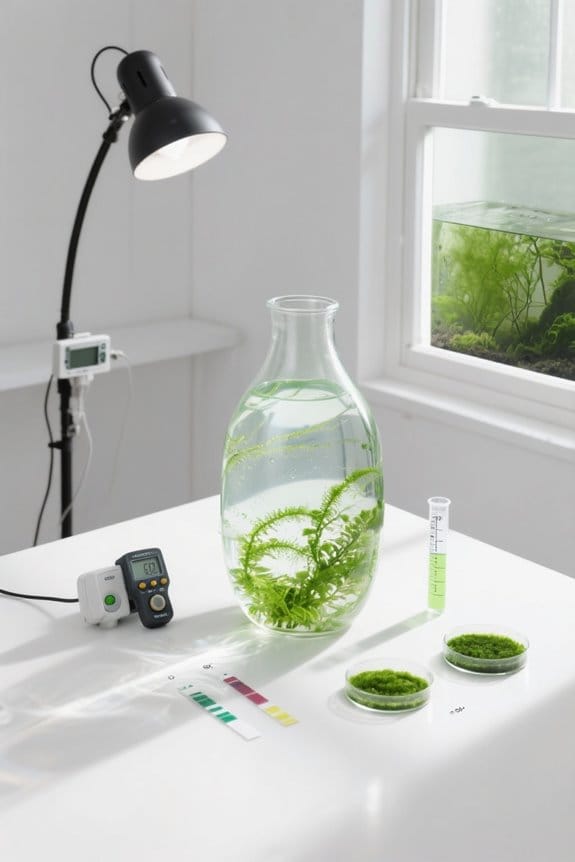
Flow rate considerably affects fish stress and overall health in planted tanks. Excessive currents can harm sensitive species like bettas and angelfish, causing injuries and stress-related diseases. Aim for a gentle flow using sponge filters, which provide effective biological filtration while minimizing current. Regulate water movement with strategically placed decorations and live plants, allowing for easier swimming and better nutrient absorption. Maintaining calm water is essential for fish well-being, leading to healthier aquascapes and thriving ecosystems. Explore methods to achieve ideal water conditions for your fish.
Key Takeaways
- High water flow induces stress in fish like bettas, leading to compromised immune systems and increased disease susceptibility.
- Calm water conditions promote fish appetite, stable swimming patterns, and enhanced growth, especially in sensitive species.
- Reduced flow environments improve digestion and nutrient assimilation, allowing fish to conserve energy for growth.
- Effective filtration systems, like sponge filters, minimize current while providing necessary biological filtration, fostering healthier tanks.
- Strategically placed decorations and live plants can diffuse water movement, creating a tranquil aquascape beneficial for both fish and aesthetics.
The Hidden Connection Between Water Flow and Fish Stress

When considering an aquarium setup, one must recognize that water flow plays an essential role in the health and well-being of fish. Excessive currents can lead to stressed fish, compromising their immune systems and health. For example, species like bettas, with long fins, are particularly vulnerable to injury from strong flow rates. Fish expending too much energy in turbulent waters often exhibit poor appetite and unstable swimming patterns, which deteriorates fish health over time. Additionally, continuous exposure to high flow conditions may cause stress-related diseases, such as Ich and fin rot, fueling a cycle of poor water quality. Regular testing of ammonia levels is vital in managing water quality to prevent the onset of stress-related diseases. To maintain ideal environments, aim for calmer waters, striking a balance in flow rates to guarantee fish thrive and remain healthy in their aquatic habitats.
Calm Water Promotes Better Growth and Development
Calm water conditions greatly enhance the growth and development of fish in planted tanks. When strong currents are present, fish expend more energy than they gain, hindering their health. In contrast, calm water allows for easier swimming, helping fish conserve energy, which can then be redirected towards growth and muscle development. This energy efficiency also promotes better digestion and nutrient assimilation, essential for their overall health and preventing stunted growth. To achieve calm water, utilize effective filtration systems that minimize current, and consider adjusting tank decorations or using sinking pellets to reduce turbulence. Implementing these techniques creates a supportive environment that fosters healthier fish, contributing to their long-term well-being and robustness. It is also crucial to select multi-stage filtration systems, as they effectively remove impurities and promote a tranquil aquatic environment, enhancing the overall health of the tank inhabitants.
The Role of Calm Water in Disease Prevention

Stress can profoundly impact the health of fish, making the role of calm water essential in disease prevention. High water currents create stress, leading to elevated cortisol levels that weaken fish immune systems, thereby increasing susceptibility to diseases like Ich and Fin Rot. Maintaining calm water conditions allows fish to conserve energy for growth and nutrient absorption rather than battling strong currents. As a result, they experience reduced health issues associated with stress, including a lowered risk of infections. To achieve these conditions, consider using sponge filters, which provide gentle flow while ensuring effective biological filtration. This setup minimizes gill irritation and enhances overall fish well-being, supporting their resilience against potential diseases. Additionally, incorporating JIHAQUA Aquarium Bio Ceramic Rings can enhance biological filtration by promoting beneficial bacteria growth, further supporting fish health in calm water conditions.
Balancing the Water Flow: How to Make It Soft
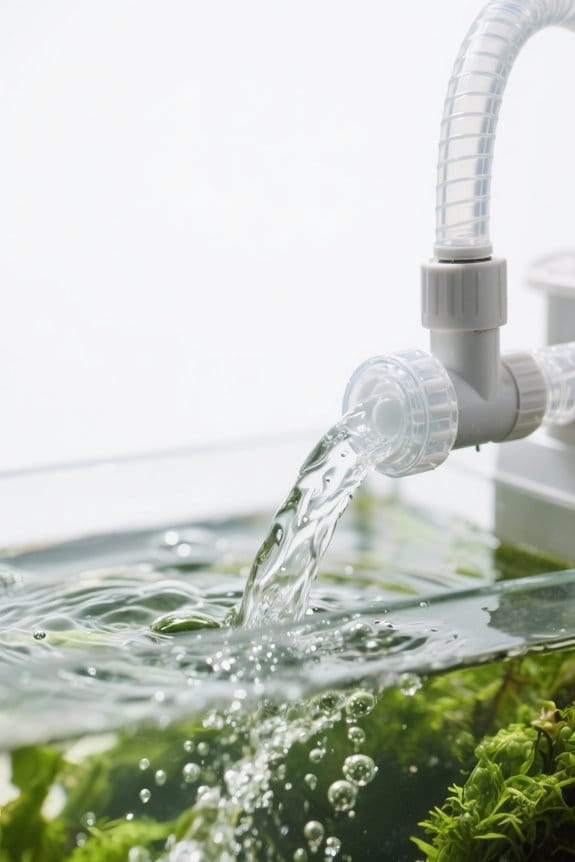
Creating a tranquil environment in a planted tank requires attention to water flow regulation. To achieve soft flow, utilize sponge filters that offer gentle, slow water flow without creating strong currents. This approach encourages biological filtration while minimizing disruption for delicate plants. Position decorations and plants strategically to mimic natural habitats, as they help slow down water movement, creating sheltered areas for aquatic life. Aim to balance flow by incorporating live plants, which not only enhance aesthetics but also diffuse water movement effectively. Avoid excessive currents that could stress species like bettas, angelfish, and discus. Remember, a harmonious aquatic environment fosters health and beauty, so regulate your tank’s flow for best results. Consider using gravel vacuums with multi-stage filtration to remove impurities and improve overall water quality.
Which Fish Species Need Calm Water Conditions Most of the Time?

While many fish can adapt to various water conditions, certain species truly require calm environments to thrive. Betta fish are particularly sensitive to strong currents, needing calm water conditions to avoid stress and swimming difficulties. Angelfish, preferring moderate to slow flow, benefit from stability, reducing the risk of fin damage. Likewise, discus fish require warm, tranquil waters to support their delicate health, making calm conditions essential. Gouramis, with their long fins, are also unsuitable for fast currents, which can hinder their swimming ability. Additionally, bottom feeders like Corydoras, loaches, and plecos thrive in peaceful environments, as strong water movement disrupts their feeding habits and induces stress. Prioritize these species when creating a tranquil aquatic environment. For optimal aquarium health, maintaining nitrate levels below 5 ppm is vital, especially when operating a biopellet reactor without a protein skimmer.
Frequently Asked Questions
How to Tell if Flow Is Too Much for Fish?
To determine if flow is excessive for fish, one should observe fish behavior for stress indicators, such as lethargy or unusual swimming angles. Ensuring tank balance reduces stress and promotes a healthier environment for aquatic life.
What Is the Flow Rate for a Planted Aquarium?
The flow rate for a planted aquarium ideally measures between 5 to 10 times the tank volume. Flow measurement methods, alongside flow rate calculators, help guarantee balanced water movement, promoting healthy aquatic ecosystems and serene habitats for inhabitants.
Do Aquarium Plants Like Flow?
Aquarium plants generally benefit from gentle flow, which promotes plant growth and nutrient distribution. Moderate flow rates enhance nutrient access while minimizing stress, fostering a balanced ecosystem and supporting healthy development in planted tanks.
Can You Have Too Much Flow in an Aquarium?
Yes, excess flow in an aquarium can negatively impact fish behavior. Studies show that a turnover rate above ten times the tank volume can hinder filtration efficiency and stress fish, disrupting their natural activities.