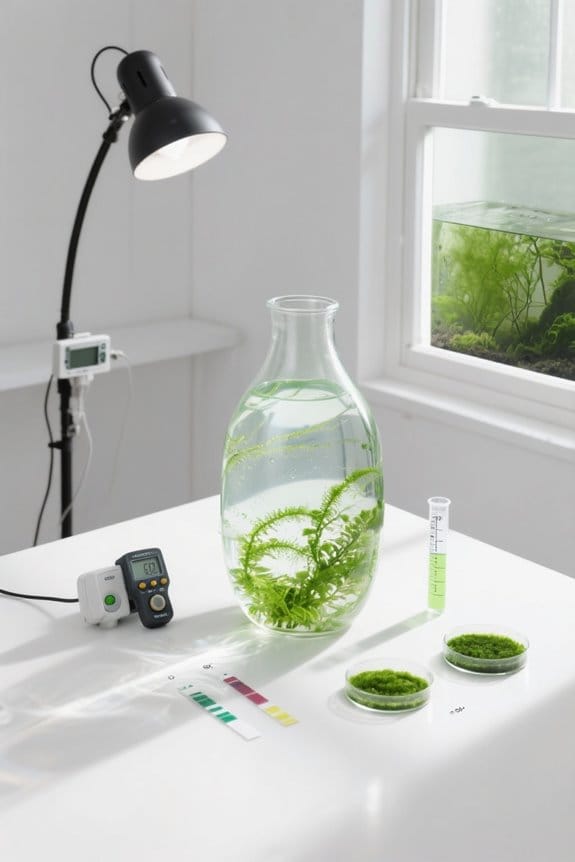
pH, KH, and GH are essential for fish health and plant growth in aquariums. Aim for a pH of 6.5 to 8.0 to prevent stress in aquatic species. Maintain KH between 4-8 dKH for pH stability and support plant health. Confirm GH is suited to your species; soft water fish thrive at 0-3 dGH, while African cichlids need 7-11 dGH. Regular testing with kits like Pawfly and adjustments using products like Seachem Equilibrium will foster a thriving ecosystem. More insights can enhance your aquarium management.
Key Takeaways
- pH levels between 6.5 and 8.0 are vital for optimal fish health, preventing stress and promoting better survival rates.
- KH acts as a buffer to stabilize pH, reducing harmful fluctuations that can stress fish and hinder plant growth.
- Appropriate GH provides essential minerals like calcium and magnesium, supporting healthy fish development and enhancing plant nutrient absorption.
- Regular testing of pH, KH, and GH ensures a balanced environment, allowing for optimal health and growth of both fish and plants.
- Stable water parameters prevent health issues in fish and help plants thrive, creating a harmonious aquatic ecosystem.
Understanding Ph and Its Importance in Aquariums

Why is understanding pH essential in aquarium management? pH, which ranges from 0 to 14, measures the acidity or alkalinity of water, with a neutral pH of 7.0 being ideal for most freshwater fish and plants. Maintaining a stable pH between 6.5 and 8.0 is vital for fish health, as even minor pH fluctuations can stress sensitive aquatic species. Monitor water parameters regularly, as factors such as carbon dioxide levels and water hardness (KH) can influence pH. Consider the buffering capacity of your water when adjusting levels, as this helps stabilize pH over time. Additionally, pay attention to GH levels, as they also impact the overall health of fish and aquatic plants in your aquarium ecosystem. Regular testing is essential for maintaining optimal water conditions and preventing fish loss.
The Role of KH in Stabilizing Water Conditions
KH, or Carbonate Hardness, plays a foundational role in stabilizing water conditions within an aquarium. It measures the concentration of bicarbonates and carbonates, acting as an essential buffer in water chemistry. Maintaining a minimum KH level of around 4 dKH is important, as low KH can lead to rapid pH changes detrimental to fish species and aquatic plants. High KH provides stability, ensuring consistent pH levels that minimize stress for fish and support osmoregulation. While aquatic plants may tolerate various KH levels, lower values often enhance nutrient absorption and reduce algae blooms, promoting a healthier ecosystem. Regular monitoring and adjustment of KH will help create ideal conditions for thriving aquatic life, facilitating a balanced environment for both fish and plants. In addition to stabilizing pH, maintaining water temperature above 74°F is important for ensuring the health and vitality of certain aquatic species like Ramshorn snails.
GH and Its Impact on Aquatic Life

Understanding General Hardness (GH) is critical for ensuring a healthy aquatic ecosystem, as it provides essential minerals that fish, invertebrates, and aquatic plants need to thrive. GH measures the concentration of calcium and magnesium in water, supporting fish health and growth. Soft water species prefer lower GH levels (0-3 dGH), while species like African cichlids thrive in high GH environments (7-11 dGH). Adequate GH is crucial for the molting process in shrimp and crustaceans; insufficient levels can hinder growth and reproduction. Aquatic plants also require sufficient GH for effective nutrient availability; excessive GH may harm them by causing mineral buildup. Monitoring GH levels can prevent symptoms like poor appetite, slow growth, and reluctance to spawn. It is important to regularly test the GH levels in your aquarium to maintain a balanced environment for all aquatic life.
The Relationship Between Ph, KH, and GH
While maintaining a balanced aquatic environment can seem complex, recognizing the interdependence of pH, KH, and GH simplifies the process considerably. pH measures the acidity or basicity of water, indicating how capable the environment is in supporting aquatic life. KH, or carbonate hardness, acts as a buffer, stabilizing pH levels and protecting fish health from harmful fluctuations. Ideally, maintain KH between 4-8 dKH in freshwater aquariums to support plant growth and minimize stress. GH, measuring dissolved minerals, should also be kept within 4-8 dGH to guarantee necessary nutrients are available for both fish and plants. Consequently, actively manage KH to achieve stable pH and GH, enabling a healthier aquatic ecosystem through gradual adjustments. Implementing regular maintenance checks on your aquarium gravel cleaner can further enhance the stability and quality of your aquatic environment.
Effects of Fluctuating Ph on Fish Health

Fluctuating pH levels in an aquarium can considerably impact fish health, often manifesting in stress-related symptoms. Rapid pH swings can disrupt fish osmoregulation, which is critical for maintaining fluid balance, leading to decreased appetite and increased disease susceptibility. A stable pH range of 6.5 to 8.0 is ideal, especially for sensitive species like cichlids. Inadequate KH levels, reflecting low carbonate hardness, can exacerbate these fluctuations, causing alarming health crises in aquatic life. Additionally, non-intentional pH changes may signal deteriorating water quality, underscoring the requirement for regular monitoring. To safeguard fish health, maintain consistent pH levels through appropriate buffering, and invest in water quality testing kits to guarantee a thriving environment for all inhabitants. Utilizing premium titanium alloy probes in TDS meters can ensure precise measurements, aiding in the early detection of water quality issues that could impact both fish and plant health.
Managing KH Levels for Optimal Fish and Plant Growth
Maintaining KH levels between 4-8 degrees of carbonate hardness (dKH) is essential for fostering a harmonious environment for both fish and aquatic plants in an aquarium. These levels promote stable pH, which underpins fish health and plant growth. High KH can buffer alkaline conditions, preventing rapid pH fluctuations that stress fish, particularly those that prefer harder waters. Regularly test KH to avoid sudden changes that hinder plant nutrient absorption. Adjust KH through controlled water changes or specific additives, like baking soda for increasing hardness, ensuring compatibility with fish and plant preferences. Furthermore, keeping the aquarium clean reduces organic pollution, which allows fish and plants to thrive, making strict KH adherence less critical when other parameters are properly managed. Additionally, frequent testing of parameters such as pH, nitrate, and ammonia is vital to ensure a stable environment and prevent stress in fish.
Assessing GH Requirements for Different Species
Evaluating the GH requirements for different species in an aquarium is a fundamental aspect of maintaining a flourishing aquatic environment. Most freshwater species, such as soft water fish like tetras and discus, thrive at GH levels between 4-8 dGH, ensuring ideal growth and reproductive health. In contrast, African cichlids flourish in alkaline conditions, requiring higher GH levels of 7-14 dGH due to their need for essential minerals. Additionally, certain aquatic plants benefit from adequate mineral content; low GH can lead to deficiencies, manifesting as poor growth and unhealthy leaves. Remember, Crystal Red Shrimp, an invertebrate species, prefers a GH of around 4-6 dGH for successful molting. Gradual adjustments to GH are vital to avoid stress in both fish and plants. It is also crucial to consider the cut resistance level of fish handling gloves when maintaining aquariums, as this protects against sharp objects while ensuring safe and efficient fish handling.
Strategies for Adjusting Ph, KH, and GH in Your Aquarium
Adjusting pH, KH, and GH in an aquarium is vital to creating a stable environment for fish and plants to thrive. To lower these levels, perform water changes using RODI-filtered water to prevent sudden fluctuations. For raising pH, KH, and GH, consider adding crushed coral at a rate of 1 lb per 10 gallons, which introduces calcium carbonate. Use products like Wonder Shells or Seachem Equilibrium to increase GH without heavily affecting KH or pH. Be cautious with acid buffers, as high KH can resist changes to pH. Regular testing of water parameters is essential, enabling aquarists to monitor and adjust conditions specifically tailored to the needs of their chosen fish species, ensuring ideal health and growth. Consider using Seachem Prime detoxifies ammonia, chlorine, and heavy metals to maintain overall tank health.
The Importance of Regular Water Testing and Maintenance
Regular water testing and maintenance are fundamental practices for aquarium health, as they guarantee ideal living conditions for fish and plants. Testing should occur at least once a week to monitor pH, GH, and KH levels, ensuring a stable pH between 6.5 and 8.0. Utilize reliable testing kits that also check total dissolved solids (TDS) for a thorough understanding of water quality. Conducting partial water changes helps manage KH and GH, preventing stress-inducing pH fluctuations harmful to aquatic life. Establishing a consistent schedule for these tasks allows aquarists to proactively address potential issues, promoting a thriving aquarium environment. A variety of test kits, such as the Pawfly 5 in 1 Aquarium Water Test Kit, provide options for both freshwater and saltwater monitoring, allowing aquarists to select kits that best suit their specific needs. With diligence in water testing and maintenance, healthy ecosystems flourish, supporting vibrant fish and plant life.
Frequently Asked Questions
Does KH Affect Plant Growth?
KH greatly influences plant growth by affecting nutrient absorption and overall plant health. Ideal water hardness supports specific plant species, enhancing growth rates while maintaining aquarium balance and CO2 levels, essential for thriving aquatic ecosystems.
What Should the GH and KH Level Be for Planted Aquarium?
In the grand symphony of aquatic drama, maintaining GH between 4-8 dGH and KH at 4-8 dKH becomes essential; ensuring nutrient absorption, fish compatibility, algae control, and harmonious aquarium setups amidst fluctuating CO2 levels, substrate choices, and lighting conditions.
Does Ph Affect Plant Growth in an Aquarium?
pH levels greatly affect plant growth in aquariums by influencing nutrient availability. Factors such as substrate type, light intensity, water temperature, and carbon dioxide, alongside fertilizer use, also shape the growth rate of aquatic species.
How Does Ph Affect Fish Growth?
pH levels greatly influence fish growth, impacting metabolism and nutrient absorption. Ideal water quality with balanced pH reduces stress levels, enhances breeding success, and mitigates ammonia toxicity, essential for healthy tank conditions and sustainable fish development.