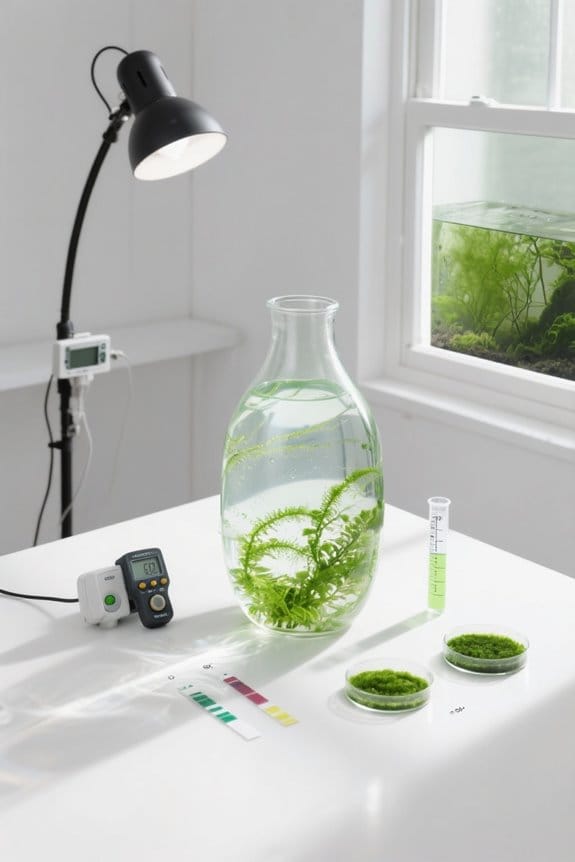
The tap water source directly influences aquarium setup choices, as it affects water quality. Assess chloramine, ammonia, and heavy metal levels before using tap water. Aim for general hardness (GH) between 5-10 dGH and maintain pH between 6.5-7.5. If tap water is poor, consider distilled or reverse osmosis (RO) water, both needing remineralization for essential minerals. Always use water conditioners to neutralize harmful chemicals. Next, explore safe rainwater collection and its potential benefits.
Key Takeaways
- The quality of tap water, including contaminants like chlorine and heavy metals, dictates the need for conditioning and testing before use in aquariums.
- Ideal general hardness (GH) and carbonate hardness (KH) levels in tap water influence the selection of fish species and required adjustments in the aquarium setup.
- Municipal tap water may require dechlorination and remineralization to ensure a safe and stable environment for aquarium inhabitants.
- Regular testing of both tap and aquarium water is essential to maintain optimal pH and hardness levels for fish health.
- Using tap water with fluctuating parameters can lead to stress in fish, necessitating alternative water sources like RO or DI water for stability.
Understanding the Importance of Water Quality in Aquariums

Water quality serves as the foundation of a healthy aquarium ecosystem, making its understanding essential for any aquarist. Tap water often harbors chlorine and chloramine, which can harm fish and beneficial bacteria; therefore, using water conditioners is vital to neutralize these harmful substances. Regularly test water for pH and hardness levels, as these parameters affect fish health and compatibility. Aim for a pH between 6.5 and 7.5 and adjust hardness as necessary. If using distilled or reverse osmosis water, remember to remineralize it, adding beneficial minerals necessary for biological filtration. Regular testing with liquid reagent kits is advised for detecting water quality issues early and ensuring a stable environment. An effective approach combines monitoring with appropriate treatments, ensuring a stable environment where aquatic life can thrive. Prioritize these practices to foster a robust aquarium ecosystem.
Evaluating Municipal Tap Water for Your Aquarium

Before setting up an aquarium, it’s crucial to evaluate the municipal tap water that will serve as the foundation for the aquatic environment. Check your tap water for chlorine and chloramine, as these can harm fish and beneficial bacteria. Always use a reliable dechlorinator to treat the water before use. Test your tap water for ammonia, heavy metals, and water hardness, as these factors can vary greatly from one location to another. Aim for a general hardness (GH) around 5-10 dGH for most fish species, adjusting if necessary. Monitor carbonate hardness (KH) levels, too, as a high KH can stabilize pH but may not suit all fish. Regularly test both tap and tank water to guarantee the health of your fish. For accurate water quality testing, consider using a 4 in 1 TDS Meter that offers rapid response and reliable readings, ensuring your aquarium environment stays optimal.
The Benefits and Drawbacks of Distilled Water

How does distilled water measure up as an option for aquarists? Distilled water offers a highly purified water source, removing impurities common in municipal tap water. However, it necessitates remineralization to restore essential minerals like calcium and magnesium, critical for marine health. While using distilled water guarantees a contaminant-free environment, it lacks natural buffering capacity, heightening risks of pH fluctuations that can stress aquatic life. Regular testing of water parameters becomes essential, as distilled water starts with no inherent mineral content. To create a balanced solution, consider mixing distilled water with municipal tap water, benefiting from both purity and necessary minerals. For larger tanks, evaluate the cost and logistics of sourcing distilled water to ascertain practicality. Including interactive and engaging decor can enhance the dynamics of fish habitat, providing an aesthetically pleasing and functional environment for aquarists.
Collecting and Using Rainwater Safely

Collecting rainwater for aquarium use presents an eco-friendly and economical option, yet it demands careful attention to avoid potential hazards. First, verify a clean collection method, avoiding roofs with harmful materials that may introduce contaminants. Test rainwater for pollutants, focusing on heavy metals and chemicals, through a reliable water quality testing kit. Consider using professional reagents for accurate measurements to ensure the safety of the aquatic environment. Due to low mineral content, it is essential to remineralize rainwater, adding appropriate supplements to provide necessary nutrients for aquatic life. Regularly monitor pH levels, as rainwater can be more acidic than tap water, which may harm sensitive fish. When introducing rainwater to an established aquarium, use gradual mixing techniques to guarantee a smooth shift, helping to prevent potential stress in fish caused by sudden changes.
Reverse Osmosis vs. Deionized Water: Which Is Right for You?

Selecting the right water source for an aquarium setup often raises the question: which option, reverse osmosis (RO) or deionized (DI) water, better suits specific aquatic needs? Reverse osmosis water is effective in removing contaminants, providing a clean base for aquarium water, but it often requires remineralization to restore essential minerals. On the other hand, deionized water also eliminates impurities yet can compromise fish health by stripping minerals crucial for aquatic life. Both options, while valuable, can be costly for larger aquariums. When choosing, consider local tap water quality and the mineral levels required for your fish species. Remineralization after using either option enhances water quality, ensuring a healthy environment for your aquarium inhabitants. Additionally, it’s important to properly monitor water parameters to maintain the health of your fish.
Mixing Water Sources for Optimal Water Conditions
To achieve ideal water conditions in an aquarium, blending different water sources can be a practical approach. For instance, mixing tap water from a softwater system, with a general hardness (GH) of 3, with distilled water can adjust mineral content effectively. This creates a stable environment for various fish species and plants. Regular tap water can reach a GH of 23, promoting healthy plant growth. Always test and monitor parameters such as pH and hardness when mixing water sources to prevent stress on your fish tank’s inhabitants. Consider incorporating remineralizers to provide necessary minerals like calcium and magnesium, ensuring clean water supports best aquatic health. Consistency in your water source preference will safeguard your aquarium ecosystem from disruptive changes. Regular use of ammonia test kits supports proactive care for aquatic ecosystems by improving overall water quality management essential for fish survival.
The Role of Water Conditioners in Aquarium Health
Achieving ideal water conditions in an aquarium requires more than just merging various water sources; utilizing water conditioners plays a pivotal role in maintaining a healthy aquatic environment. Water conditioners effectively neutralize chlorine and chloramine, harmful chemicals often found in municipal tap water. Additionally, they detoxify heavy metals like copper, ensuring a safe habitat for fish. To maintain aquarium health, use a conditioner that allows for safe overdosing, administering up to five times the recommended dosage during emergencies. Regularly condition water during water changes to aid in excellent conditions. Always verify the effectiveness of your water conditioner using a chlorine test kit, confirming harmful substances have been adequately removed for the benefit of your aquatic life. Regular replacement of activated carbon every 2-4 weeks is crucial for optimal filtration and ensures effective removal of impurities and odors.
Frequently Asked Questions
Is Tap Water Good for an Aquarium?
Despite its allure, tap water can be a double-edged sword for aquariums. Varying tap water quality, harmful chlorine presence, and heavy metals necessitate careful testing and filtration systems to support beneficial bacteria and ideal pH levels and hardness values.
How to Neutralize Tap Water for Fish?
To neutralize tap water for fish, use water conditioners for chlorine removal, ascertain appropriate pH levels, test mineral content and temperature, and implement effective filtration systems to secure fish compatibility and a stable aquatic environment.
Do I Need to Treat Tap Water Before Adding to an Aquarium?
Yes, treating tap water is essential. Water conditioning guarantees chlorine removal, pH balance, and detoxification of heavy metals and chemical additives, promoting beneficial bacteria and a healthier environment for fish when using appropriate dechlorination methods.
How to Change Aquarium Water With Tap Water?
In the symphony of aquatic care, changing aquarium water requires meticulous attention. Employ water change techniques using treated tap water, focus on water temperature considerations, and adhere to a regular maintenance schedule to guarantee ideal aquarium water quality.