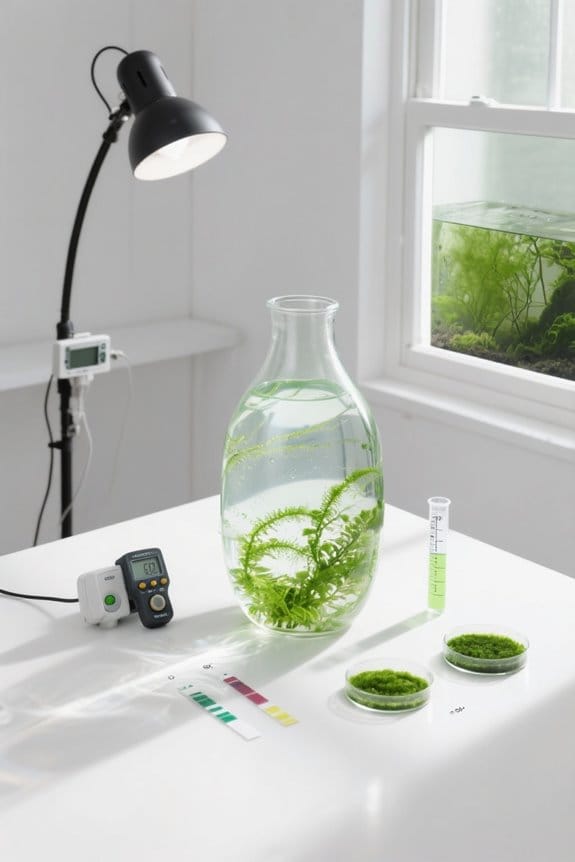
To use a TDS meter, first select a digital device and verify it is clean. Turn it on and confirm the display reads 000. Submerge the meter tip about half an inch into the water, which allows it to measure total dissolved solids in parts per million (ppm). Readings from 0-300 ppm indicate excellent quality, while those above 901 ppm signal potential contamination. Understanding these numbers helps evaluate water suitability for various uses, and more insights await.
Key Takeaways
- Turn on the calibrated TDS meter and ensure the display reads 000 before use for accurate measurements.
- Immerse the meter’s tip about half an inch into the water sample for TDS measurement.
- TDS readings in ppm indicate water quality: 0-300 mg/L is excellent, while 901 mg/L and above should be avoided.
- Use the Hold function to keep a reading displayed for tracking changes in water quality over time.
- Remember, TDS meters can’t identify specific contaminants; professional testing is recommended for detailed analysis.
What Is TDS?

TDS, or total dissolved solids, plays an essential role in understanding water quality. It represents the combined presence of inorganic and organic substances in water, including essential minerals like calcium and magnesium. Typically measured in parts per million (ppm), TDS indicates the concentration of dissolved solids in water. The Environmental Protection Agency (EPA) recommends that TDS levels in safe drinking water should not exceed 500 mg/L. High TDS levels can point to hard water, which may result in scaling or unpleasant tastes and odors. For effective water management, it is important to monitor TDS, as it impacts drinking, gardening, and industrial applications. Knowing the TDS helps determine the overall suitability of water for various uses. Regular use of water conditioners is essential for maintaining fish health, with precise dosage guidelines crucial for effective application.
How Do You Test With a TDS Meter?

Begin testing water quality by selecting a digital TDS meter, ensuring it is clean and calibrated. Turn on the device, confirming the display shows 000. Insert the meter tip into the water about half an inch deep. The TDS meter measures Total Dissolved Solids (TDS) by passing a harmless electrical current between two electrodes, showing results in parts per million (PPM) or milligrams per liter (mg/L). For reliable results, allow new units to stabilize for a few days before conducting any water test. After obtaining a TDS reading, utilize the Hold function to freeze the display, which helps assess changes in water quality over time. Remember, TDS levels below 500 mg/L are considered safe for drinking. Regular monitoring of water conditions is crucial to ensure a healthy environment for your aquatic life.
Understanding TDS Levels and Water Quality

When evaluating water quality, understanding Total Dissolved Solids (TDS) levels is essential, as these measurements reflect the presence of various substances in the water. TDS is measured in parts-per-million (ppm), with acceptable levels for drinking water set by the EPA at 500 mg/L. Readings from 0-300 mg/L indicate excellent quality, while 301-600 mg/L suggests good quality but may vary in taste. High TDS levels ranging from 601-900 mg/L indicate fair quality, possibly leading to bitterness. Readings above 901 mg/L should be avoided, as they often suggest contamination. Monitoring TDS is vital, as it helps identify mineral content and potential pollutants that impact overall water quality and drinking safety, guiding filtration needs. Using premium titanium alloy probes ensures precise measurements and error rates below 2%, enhancing the reliability of TDS assessments in various water testing applications.
What Does a TDS Meter Not Measure?

Understanding water quality involves more than just monitoring Total Dissolved Solids (TDS) levels, as a TDS meter has significant limitations. TDS meters cannot differentiate between harmful and harmless dissolved solids; hence, high TDS readings do not reveal the types of contaminants present in water. Additionally, these devices fail to detect specific pollutants such as heavy metals—like arsenic or lead—pharmaceuticals, or microorganisms like bacteria and viruses. While elevated TDS indicates more dissolved solids, it obscures serious water quality issues, leaving users potentially unaware of harmful contaminants. Professional water testing is essential to accurately identify specific pollutants, ensuring a thorough assessment of water safety and preventing false security based on TDS readings alone. Among the range of water quality management tools, phosphate removers are essential for maintaining the health of both freshwater and marine aquariums by effectively reducing phosphate levels and enhancing water clarity.
Benefits of Using a TDS Meter

A TDS meter serves as an indispensable tool for anyone seeking to assess water quality effectively, as it provides quick and precise readings of total dissolved solids in parts per million (PPM). Regular monitoring with a TDS meter facilitates the detection of changes in water quality; readings may indicate when solids exceed the EPA’s recommended limit of 500 mg/L for safe drinking water. Furthermore, these meters are cost-effective instruments for evaluating water filtration systems, confirming whether filters are adequately removing dissolved solids. Additionally, they help determine water hardness, which can affect taste and plumbing. Versatile in application, TDS meters benefit aquarium maintenance, irrigation checks, and private well assessments, ensuring informed choices about water safety and quality. Utilizing a TDS meter can also assist in monitoring ammonia, nitrite, and nitrate levels in aquariums, ensuring a healthy environment for aquatic life.
When to Consider Comprehensive Water Testing
Water quality can fluctuate due to various factors, making thorough testing essential under certain conditions. In-depth testing is advisable when TDS levels exceed 500 mg/L, as this indicates potential contamination. Private well owners should conduct extensive testing annually for bacteria, nitrates, and heavy metals, particularly after heavy rains or water quality changes. Similarly, municipal water sources may necessitate detailed testing for chlorine and disinfection byproducts if TDS readings suggest troubles. Unusual tastes, odors, or appearances in water should trigger immediate in-depth testing to identify harmful contaminants. Remember, a professional lab test is vital, as TDS meters cannot distinguish between harmful and harmless Total Dissolved Solids nor detect specific threats like PFAS or heavy metals effectively. Regular monitoring of water quality using a master test kit helps identify issues early and maintain a healthy environment for aquatic life.
Frequently Asked Questions
How to Understand TDS Meter Reading?
The TDS meter symbolizes a vigilant sentinel, measuring purity in water quality. Understanding values requires awareness of calibration techniques, as health implications arise when readings deviate from safe thresholds, indicating potential impurities lurking within nature’s clear facade.
What Is a Good TDS Score for Water?
A good TDS score for water ranges between 50-150 PPM, indicating excellent quality. Understanding TDS measurement significance helps assess water quality guidelines, while variations in TDS sources impact health, necessitating effective water filtration options.
Is 70 TDS Water Good for Health?
A TDS reading of 70 indicates excellent water quality, promoting health through beneficial minerals. With ideal TDS ranges offering superior taste, regular calibration of TDS meters guarantees accuracy, enhancing the experience of bottled water’s crisp purity.
Is 25 Ppm TDS Safe for Drinking Water?
A TDS level of 25 PPM is considered safe for drinking water, indicating low TDS and high water quality. This level offers health benefits, ensuring minimal impurities and providing an exceptionally clean taste.