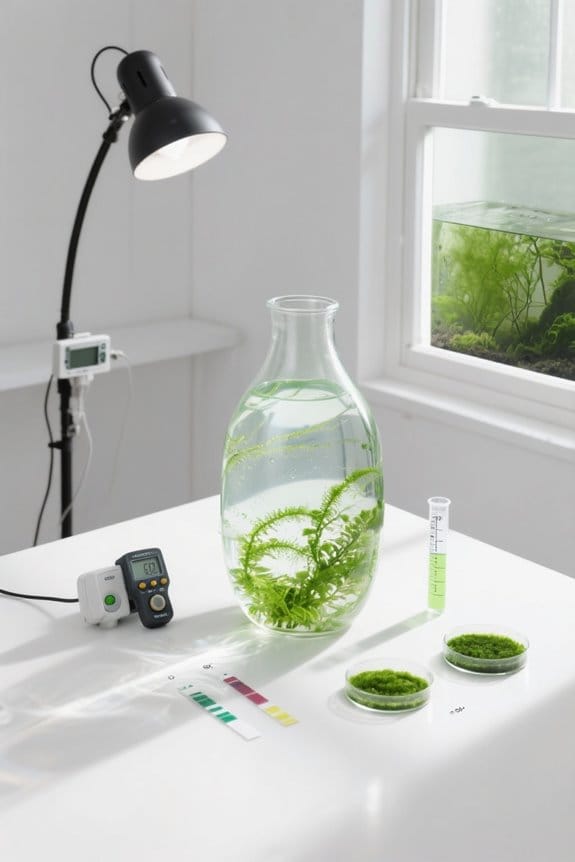
When comparing liquid test kits and test strips, accuracy and cost play significant roles. Liquid kits, costing between $30 and $200, provide precise measurements through chemical reactions, ideal for analyzing complex parameters like nitrates. Test strips, priced around $10 for 50, offer quick and easy results for routine checks, suitable for beginners. Evaluate your pool’s needs, considering testing frequency and conditions. Understanding these differences helps in making informed choices for effective pool maintenance. Learn more about selecting the best water testing method.
Key Takeaways
- Liquid test kits provide more accurate readings through chemical reactions, while test strips offer quick, less precise results for routine monitoring.
- Test strips are cost-effective at around $10 for 50 strips, while liquid kits range from $30 to $200 for in-depth analysis.
- Liquid test kits are ideal for evaluating complex chemical levels, whereas test strips are suitable for basic pH and alkalinity checks.
- Frequent testing is crucial; daily for critical factors with strips and weekly or monthly specialized tests with liquid kits for deeper insights.
- Consider pool type and maintenance habits when choosing between the convenience of strips or the accuracy of liquid kits.
Understanding the Difference: Test Strips vs. Liquid Test Kits

Understanding the difference between test strips and liquid test kits is essential for anyone looking to monitor water quality effectively. Test strips provide quick and convenient water testing, costing around $10 for 50 strips, ideal for routine testing of basic parameters like pH and alkalinity. However, they are less accurate and subjective in comparison. Liquid test kits, with prices ranging from $30 to $200, offer precise readings through chemical reactions with liquid reagents, effectively evaluating complex chemical levels such as nitrates and nitrites. Although requiring more steps than simple dip-and-read test strips, liquid test kits deliver a deeper understanding of water chemistry, making them the preferred choice for those prioritizing accuracy and thorough testing in their water management routine. Regular testing is vital for tracking water quality changes, enabling timely adjustments to maintain a healthy aquatic environment.
Advantages of Test Strips for Pool Owners

For pool owners seeking a simple and efficient way to maintain ideal water quality, test strips offer a variety of advantages. To begin with, they are easy to use; simply dip the strip into the water and in seconds, obtain an accurate reading. This user-friendly design makes them accessible even for beginners, requiring no technical know-how. Additionally, test strips are affordable, with a pack of 50 typically costing around $10, ideal for routine monitoring without breaking the bank. They effectively measure key parameters, including pH, total alkalinity, and chlorine levels, assisting in maintaining water balance. Finally, the quick results enable pool owners to promptly address any chemical imbalances, ensuring a safe and enjoyable swimming experience for all. Comprehensive testing capabilities of test strips ensure a healthy aquatic environment in pools and aquariums alike.
Benefits of Liquid Test Kits for Accurate Measurements

Liquid test kits stand out as a reliable option for pool owners who prioritize accuracy in measuring water chemistry. These kits provide accurate measurements by utilizing small vials and liquid reagents, enabling detailed analysis of water conditions. When using a liquid test kit, you add drops to water samples and observe color changes, which visually indicate chemical levels present. They cover extensive testing parameters, including complex variables like nitrate and nitrite, typically excluded from test strips. Although initial costs may be higher, liquid test kits prove to be cost-effective over time, thanks to their thorough testing capabilities and longevity. Employing liquid test kits guarantees ideal water conditions, making them a preferred choice for meticulous pool owners. For maintaining fish health, regular use of water conditioners is essential to ensure a stable aquatic environment.
Cost Comparison: Test Strips vs. Liquid Kits

When comparing the costs of test strips and liquid test kits for pool maintenance, it becomes clear that each option serves distinct purposes and budget levels. Test strips are budget-friendly, costing around $10 for a pack of 50, making them ideal for routine monitoring. In contrast, liquid test kits, ranging from $30 to $200, require a higher upfront investment but offer more detailed readings. This increased accuracy can justify the price for serious pool maintainers. Additionally, the longevity of liquid test kits often outstrips that of test strips when stored correctly, providing better value over time. Ultimately, the choice hinges on individual budget constraints and the desired accuracy in water testing, guiding users to select the most effective tool for their needs. A comprehensive Freshwater Aquarium Master Test Kit offers over 950 tests, providing long-lasting value and detailed analysis for aquarists.
Ease of Use: Which Kit Is More User-Friendly?

Selecting the right test kit involves not just cost considerations but also evaluating usability. Test strips are exceptionally user-friendly; simply dip them in water and compare the resulting color to a color chart for immediate results. This method is ideal for quick assessments, offering accuracy without added complexity. In contrast, liquid test kits necessitate multiple steps, including sample collection and precise reagent addition, which can be challenging for those lacking technical expertise. While these kits enable a detailed analysis, they demand careful handling and additional time for accurate results. Overall, opt for test strips to prioritize convenience and speed, while liquid test kits are better suited for professional testing that values thoroughness, despite their complexity. Comprehensive kits include tests for nitrite, ammonia, and pH to ensure a holistic approach to water quality assessment.
Testing Frequency and Best Practices
Maintaining ideal water quality in swimming pools requires a consistent testing routine, as various chemical levels can dramatically affect safety and comfort. Test chlorine levels and pH daily during peak swimming season, and every other day in off-peak periods. For total alkalinity, conduct tests weekly to maintain balanced water chemistry. Adjust testing frequency for calcium hardness based on pool usage and water conditions. Additionally, perform specialized tests for cyanuric acid, salt levels, and phosphates monthly, or whenever significant weather impacts the pool. Regular water testing using either liquid test kits or test strips is essential, as it helps prevent minor imbalances from escalating into larger issues, enabling timely and effective treatment to guarantee water quality. Comprehensive testing benefits enable thorough monitoring of water conditions, leading to healthier aquatic environments.
Suitability for Different Pool Types and Water Conditions
For maintaining water quality, understanding the suitability of test methods for different pool types and water conditions is fundamental. Liquid test kits excel in saltwater pools because they measure salt levels accurately, which is key for chlorine production. Furthermore, for pools experiencing high usage or varying weather, these kits guarantee precision across multiple chemical parameters, enhancing maintenance efficiency. In contrast, test strips may suffice for smaller residential pools since they prioritize affordability and quick monitoring over accuracy. However, in scenarios requiring detailed assessments, such as checking alkalinity and hardness, liquid kits are indispensable. Particularly in areas with shifting environmental factors like heavy rainfall, utilizing liquid testing kits can provide the thorough analysis needed to uphold consistent water quality. Regular testing is crucial for early detection of water quality issues, and using comprehensive kits like the API Pondcare can significantly enhance fish health.
When to Choose Professional Water Testing Services
How can pool owners secure the best water quality for their pools, spas, or ponds? Choosing professional water testing services is crucial when accuracy is paramount, as they utilize advanced techniques that exceed standard water test kits and strips. These services provide thorough analyses, covering critical parameters like nitrates and metals, which are often overlooked by DIY methods. In cases of urgent water quality issues, swift results—sometimes within the same day—can facilitate immediate action. Professional testing guarantees tailored approaches, offering personalized recommendations that promote preventive measures and effective balance identification. Regular monitoring can prevent sudden changes in water quality, contributing to a balanced ecosystem. Ultimately, leveraging expert advice can result in cost-effective solutions, helping to avert expensive water-related issues and maintaining ideal conditions for safe recreational use.
Final Considerations for Selecting Your Pool Testing Kit
Selecting the right pool testing kit requires careful consideration of various factors, especially following professional water testing services that highlight the importance of accurate analysis. Pool owners should weigh the accuracy of liquid test kits against the cost and convenience of test strips. While liquid kits, priced between $30 and $200, offer more precise readings and assess a wider range of parameters, test strips provide a quick and affordable means for routine monitoring at around $10 for 50 strips. Consider testing frequency and the specific chemical balance required for your pool. By aligning the testing method with individual personal maintenance practices and water management needs, pool owners can make informed decisions that optimize pool health and efficiency. For accurate water quality monitoring, it’s important to select a kit that suits your specific pool type and usage habits, ensuring effective results.
Frequently Asked Questions
Which Water Quality Testing Method Is Most Cost-Effective?
Like comparing apples to oranges, the most cost-effective water quality testing method varies. Liquid test kits, though requiring an initial investment, often yield long-term savings through reliability, reducing testing frequency and enhancing overall user experience in both commercial and residential settings.
What Is the Most Accurate Way to Test Pool Chemicals?
The most accurate way to test pool chemicals involves using liquid test kits to measure pool pH, chlorine levels, and alkalinity, ensuring precise readings essential for maintaining chemical balance, improving test accuracy, and optimizing seasonal testing frequency.
Are Water Testing Kits Accurate?
Water testing kits exhibit varying accuracy, with laboratory comparison tests often revealing disparities. Advancements in sensor technology enhance reliability, while user-friendly options exist for portable testing. Yet, interpretation of results remains essential in ensuring chemical analysis precision.
What Is the Most Accurate Way to Test Aquarium Water?
The most accurate way to test aquarium water involves liquid test kits, providing precise pH levels, ammonia concentration, nitrate testing, phosphate measurement, and hardness testing through chemical reactions of water samples, essential for aquatic life health.